
بسم الله الرحمن الرحيم
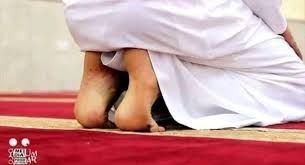
Summary:
Al-Albānī said: “He (ﷺ) would sometimes practice iq’ā [to rest on both his heels and feet].
Al-Iq’ā has come from the hadīth of Ibn ‘Abbās in Sahīh Muslim and Abū Dawūd and Al-Tirmidhī, who declared it Sahīh and others authenticated it; see (Al-Sahīhah 383), and from the hadith of Ibn ‘Umar with a good chain of transmission according to Al-Bayhaqī and authenticated by Ibn Hajr. Abū Ishāq Al-Harbi narrated in (Gharīb Al-Hadīth, 1/12/5) on the authority of Tawūs that he saw Ibn’ Umar and Ibn ‘Abbās practising Iq’ā, and its chain of transmission is Sahīh.
(Sifat al-Salāh pg. 132)
Narrations of Ibn ‘Abbās and Ibn ‘Umar
Tawūs reported:
قُلْنَا لاِبْنِ عَبَّاسٍ فِي الإِقْعَاءِ عَلَى الْقَدَمَيْنِ فَقَالَ هِيَ السُّنَّةُ . فَقُلْنَا لَهُ إِنَّا لَنَرَاهُ جَفَاءً بِالرَّجُلِ . فَقَالَ ابْنُ عَبَّاسٍ بَلْ هِيَ سُنَّةُ نَبِيِّكَ صلى الله عليه وسلم
We asked Ibn ‘Abbās about sitting Al-Iq’ā (in prayer) upon the heels. He said: It is sunnah. We said to him: We find it hard on the person. Ibn ‘Abbas said: Rather it is the sunnah of your prophet (ﷺ). (Sahīh Muslim 536, Abū Dawūd 845, al-Tirmidhī 283)
Nāfi’ narrated upon Ibn ‘Umar:
كان يُقْعِي بَيْنَ السَّجْدَتَيْنِ
He would sit Yaqī’ between the two prostrations. (Musannaf of Ibn Abī Shaybah #2959)
Abū Al-Zubayr (narrated):
أَنَّهُ رَأَى عَبْدَ اللَّهِ بْنَ عُمَرَ إِذَا سَجَدَ حِينَ يَرْفَعُ رَأْسَهُ مِنَ السَّجْدَةِ الأُولَى يَقْعُدُ عَلَى أَطْرَافِ أَصَابِعِهِ وَيَقول : إِنَّهُ مِنَ السُّنَّةِ
he saw ‘Abdullāh ibn ‘Umar, when he raised his head from the first prostration, he would sit iq’ā upon the tips of his toes. And he said: This is from the Sunnah. (Sunan al-Kubrā of Al-Bayhaqī #2735, Sahīh)
Tawūs narrated:
رَأَيْتُ ابن عُمَرَ وَابْنَ عَبَّاسٍ وَهُمَا يُقْعِيَانِ بَيْنَ السَّجْدَتَيْنِ عَلَى أَطْرَافِ أَصَابِعِهِمَا
I saw Ibn ‘Umar and Ibn ‘Abbās and they were sitting iq’ā on the tips of their toes between the two prostrations (Sunan al-Kubrā #2738 of Al-Bayhaqī, Sahīh)
Ibn al-Mundhir said:
Ibn ‘Abbās said: “From the Sunnah is for your heels to touch your buttocks.”
Tawūs said: I saw the ‘Abādilāh doing it; Ibn Umar, Ibn Abbās, and Ibn al-Zubayr [declared Sahīh by Al-Albānī in Irwā 2/22].
Sālim, Nāfi’, Tawūs, Atā’, and Mujāhid also acted upon that. (Al-Awsat of Ibn al-Mundhir 3/358)
Explanation of the above:
Al-Bayhaqī said:
This is the legislated or recommended position of iq’ā, according to what we narrated on the authority of Ibn ‘Abbās and Ibn ‘Umar; which is to place the tips of ones toes on the ground. And one places his buttocks on his heels and rests his knees on the ground. (Sunan al-Kubrā 2/258)
Muhammad Bazmūl [explaining the authors – Al-Albānīs – text: “sometimes he would practise iq’ā”] said:
… And the author, may Allāh have mercy upon him, when he says: (Sometimes) this means that the Messenger (ﷺ) used to do this at times and leave it at (other) times. What is the evidence that the Messenger (ﷺ) used to do this sometimes?
We say: The evidence for this is that those who described the Messenger’s prayer (ﷺ) did not all agree on that (same) description. This indicates that the Messenger of Allāh (ﷺ) sometimes did it and left it (at other times). And thus, whoever mentioned (this description) would have seen the Messenger of Allāh (ﷺ) at the time he did it, and whoever did not mention it would not have seen the Messenger doing it.
There are two ways of sitting between the two prostrations;
The first manner: is the manner of iftirāsh [i.e. spreading out the left foot horizontally whilst sitting on it and propping up the right foot, with the toes facing the Qiblah].
This manner of sitting iftirāsh is legislated in three places:
- When sitting between the two prostrations
- When sitting for the middle tashahhud of a prayer containing two tashahhuds
- When sitting for the tashahhud of a prayer containing a single tashahhud, like that of the Fajr prayer
The second manner of sitting between the two prostrations is the manner of iq’ā.
There are three ways of sitting iq’ā;
- To place ones feet upright [and rest on ones toes] and to place the buttocks on the heels – this manner of sitting is proven between the two prostrations.
- To place ones shins upright and place ones buttocks on the ground, like a dog.
- To place one’s shins, knees and feet on the ground, and place one’s buttocks between one’s feet and one’s shins on the ground, like a dog’s iq’ā (squatting).
Iq’ā in the second and third manner is not prescribed at all in the prayer. As for the first manner of iq’ā then this is only prescribed in the sitting between prostrations.
(Abridged, Sharh Sifat al-Salāh pg. 274-275)
Some weak hadīth which are used to prohibit iq’ā between the two prostrations and their explanation/reconciliation
1). Narrated by ‘Alī: The prophet (ﷺ) said:
يَا عَلِيُّ أُحِبُّ لَكَ مَا أُحِبُّ لِنَفْسِي وَأَكْرَهُ لَكَ مَا أَكْرَهُ لِنَفْسِي لاَ تُقْعِ بَيْنَ السَّجْدَتَيْنِ
O ‘Alī! I love for you what I love for myself, and I dislike for you what I dislike for myself. Do not sit iq’ā between the two prostrations. (al-Tirmidhī 282, Ibn Mājah 294, 295. Declared da’īf by Al-Albānī in his checking of al-Tirmidhī. Also declared da’īf by Ibn al-‘Arabī in ‘Āridatul-Ahwadhī 2/103.
Al-Nawawī said in Sharh Sahīh Muslim 1/163, regarding Hārith ibn ‘Abdullāh al-A’war al-Hamdānī [one of the narrators in this isnād]: “It is agreed upon that he is weak”.
2). Narrated by Anas: The prophet (ﷺ) said to me:
إِذَا رَفَعْتَ رَأْسَكَ مِنَ السُّجُودِ فَلاَ تُقْعِ كَمَا يُقْعِي الْكَلْبُ ضَعْ أَلْيَتَيْكَ بَيْنَ قَدَمَيْكَ، وَأَلْزِقْ ظَاهِرَ قَدَمَيْكَ بِالأَرْضِ
When you raise your head from prostration, do not squat like a dog. Place your buttocks between your feet and let the tops of your feet touch the ground. (Ibn Mājah 896. Declared Mawdū’ by Al-Albānī in his checking of Ibn Mājah and in al-Da’īfah #2615)
Al-Mubārakfūrī said: “In the isnād is ‘Alā Abū Muhammad, and some of the Imāms have weakened him”. (Tuhfah al-Ahwadhī 4/37)
al-Hararī said: Al-Bukhārī, Al-Uqailī and Ibn ‘Adī said: “He is a fabricator of hadīth.” Abū Hātim said: “He is a fabricator of hadith and his hadīth is abandoned.” ‘Alī ibn Al-Madīnī said: “He used to fabricate hadīth.” Abū Dawūd said: “He is abandoned in hadīth.” Its said in “Al-Taqrīb”: “He is abandoned.” (Sharh ibn Mājah of al-Hararī 6/83)
3). Narrated by Abū Hurayrah:
نَهى عن ثلاثٍ عن نقرةٍ كنقرةِ الدِّيكِ وإقعاءٍ كإقعاءِ الْكلبِ والتفاتٍ كالتفاتِ الثَّعلبِ
The prophet (ﷺ) forbade me from three things: pecking like a rooster, squatting like a dog, and looking around like a fox. (Musnad of Imām Ahmad 8106. Declared da’īf by Al-Arnāūt in his checking (13/468), who said: Its chain of transmission is weak due to the weakness of Sharīk – who is Ibn Abdullāh Al-Nakha’ī – and Yazīd ibn Abū Ziyād – who is the Hāshimī Qurayshī)
Al-Mubārakfūrī said: This hadīth was also collected by al-Bayhaqī [Sunan al-Kubrā #2713] and it is from the narration of Layth ibn Abī Sulaym, and it was also collected by Abū Ya’lā [#6226] and Al-Tabārānī in Al-Awsat [#2575]. (Tuhfah al-Ahwadhī 4/38)
Regarding Layth ibn Abī Sulaym:
Imām Ahmad said: ” (he is) unstable in hadīth.” Abū Hātim said: “weak in hadīth.” Ibn Ma’īn said: “munkar in hadīth, although he was a person of the sunnah.” Al-Hākim Abū Abdullāh said: “there is agreement on his poor memory.” (See al-Taqrīb pg. 147-148, dār muayyid print. Al-Tahdhīb Al-Tahdhīb 3/484-485)
4). Abī Jawzā narrated from Ā’ishah:
وَكَانَ يَنْهَى عَنْ عُقْبَةِ الشَّيْطَانِ
The prophet (ﷺ) prohibited the devil’s way of squatting. (Sahīh Muslim 498)
Ibn Hajr said in Bulūgh al-Marām #215: and in it there is a defect.
Ibn Mulaqqin said: In this isnād there is a defect. (al-I’lām 3/19)
Al-Albānī said: This isnād appears to be authentic, hence why Muslim and Abū Awānah collected it in their Sahīh, however, (in reality) it is defective. (Irwā 2/21)
Ibn ‘Abdul-Barr said: Abū Jawzā is Aws Ibn ‘Abdullāh al-Rabi’ī, he did not hear from Ā’ishah, and his hadīth from her are Mursal [i.e. interrupted/broken and ends at the Tabi’ī level]. (Al-Tamhīd 13/35)
Al-Bukhari said in the biography of Abū Jawzā: Fī isnādihi nadhar. (Tarīkh al-Kābīr 2/16-17,#1540)
Ibn Hajr said: Al-Bukhārīs saying fī isnādihi nadhar [here] means that he did not hear from the likes of Ibn Masūd, Ā’ishah and others, not that he held him to be weak. (Al-Tahdhīb 1/194)
Al-Albānī said: Al-Hāfidh (Ibn Hajr) explained this isnād as broken in another hadīth that follows (334) and what supports this break (in the chain); in Kitāb al-Salāh of Ja’far al-Faryābī […] Badīl Al-‘Uqailī told us, on the authority of Abū Jawzā, who said: “I sent a messenger to Ā’ishah to ask her… then he mentioned the hadīth.” I say: So the hadīth was attributed to being on the authority of an unknown man who was the intermediary between Abū Jawzā and Ā’ishah, so the weakness of (this) chain of transmission is established. (Abridged, Irwā 2/21)
Al-Nawawī said: {The devil’s way of squatting}, Abū ‘Ubayd and others interpreted as the forbidden iq’ā; which is to place ones buttocks on the ground, place ones shins upright, and to place the hands on the ground, just as dogs and other wild beasts do so. (Sharh Sahīh Muslim 2/532)
Al-Nawawī said: The correct interpretation of the hadīth of Ibn ‘Abbās [“It is the sunnah of your prophet (ﷺ)”] is that one places his buttocks on his heels between the two prostrations. And this is different from the iq’ā that’s been prohibited. (Summarised, sharh Sahīh Muslim 2/579-580)
Al-Albānī said: As for the narrations that prohibit iq’ā’, it is not permissible to adhere to them in order to oppose this Sunnah (for the following) reasons:
First: They are all weak and defective.
Second: If they were authentic, or if what was agreed upon was correct, (then) it refers to the prohibition of iq’ā like the iq’ā of a dog, which is something other than the iq’ā that’s proven.
Thirdly: That they are a possible reference to performing iq’ā in other than it’s legislated place, such as (performing it in) the first and second tashahhud. This is what some ignorant people do, and this is forbidden because it is contrary to the Sunnah. (Summarised, Irwā 2/22)
 fawaaids.com