
بسم الله الرحمن الرحيم
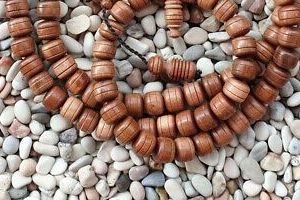
أَخْبَرَنَا الحَكَمُ بْنُ المُبَارَكِ قَالَ : أَخْبَرَنَا عُمَرُو بْنُ يَحْيَى قَالَ : سَمِعْتُ أَبِي يُحَدِّثُ عَنْ أَبِيهِ قَالَ : كُنَّا نَجْلِسُ عَلَى بَابِ عَبْدِ اللَّهِ بنِ مَسْعُودٍ قَبْلَ صَلَاةِ الغَدَاةِ، فَإِذَا خَرَجَ مَشَيْنَا مَعَهُ إِلَى الْمَسْجِدِ، فَجَاءَنَا أَبُو مُوسَى الأَشْعَرِيُّ فَقَالَ : أَخَرَجَ إِلَيْكُمْ أَبُو عَبْدِ الرَّحْمَنِ بَعْدُ؟ قُلْنَا : لَا ، فَجَلَسَ مَعَنَا حَتَّى خَرَجَ ، فَلَمَّا خَرَجَ قُمْنَا إِلَيْهِ جَمِيعاً، فَقَالَ لَهُ أَبُو مُوسَى : يَا أَبَا عَبْدِ الرَّحْمَنِ، إِنِّي رَأَيْتُ فِي المَسْجِدِ آنِفَا أَمْراً أَنْكَرْتُهُ ، وَلَمْ أَرَ – وَالحَمْدُ لله – إلا خيراً، قال: فما هو؟ فقال: إِنْ عِشْتَ فَسَتَرَاهُ، قَالَ: رَأَيْتُ فِي المَسْجِدِ قَوْماً جلقاً جُلُوساً يَنْتَظِرُونَ الصَّلَاةَ، فِي كُلِّ حَلْقَةٍ رَجُلٌ، وَفِي أَيْدِيهِمْ حَصَاةٌ، فَيَقُولُ: كَبَرُوا مِئَةً، فَيُكَبِّرُونَ مِنه فَيَقُولُ : هَلِّلُوا مِئَةً، فَيُهَلِّلُونَ مِئَةً، وَيَقُولُ : سَبْحُوا مِنْهُ. فَيُسَبِّحُونَ مِئَةً، قَالَ : فَمَاذَا قُلْتَ لَهُمْ؟ قَالَ : مَا قُلْتُ لَهُمْ شَيْئاً انْتِظَارَ رَأْيِكَ – أَوِ : انْتِظَارَ أَمْرِكَ – قَالَ : أَفَلَا أَمَرْتَهُمْ أَنْ يَعُدُّوا سَيِّئَاتِهِمْ وَضَمِنْتَ لَهُمْ أَنْ لَا يَضِيعَ مِنْ حَسَنَاتِهِمْ؟ ثُمَّ مَضَى وَمَضَيْنَا مَعَهُ حَتَّى أَتَى حَلَقَةً مِنْ تِلْكَ الحِلَقِ فَوَقَفَ عَلَيْهِمْ، فَقَالَ : مَا هَذَا الَّذِي أَرَاكُمْ تَصْنَعُونَ؟ قَالُوا : يَا أَبَا عَبْدِ الرَّحْمَنِ، حَصَى نَعُدُّ بِهِ التَّكْبِيرَ وَالتَّهْلِيلَ وَالتَّسْبِيحَ، قَالَ : فَعُدُّوا سَيِّئَاتِكُمْ فَأَنَا ضَامِنٌ أَنْ لَا يَضِيعَ مِنْ حَسَنَاتِكُمْ شَيْءٌ، وَيْحَكُمْ يَا أُمَّةَ مُحَمَّدٍ، مَا أَسْرَعَ هَلَكَتَكُمْ، هَؤُلَاءِ صَحَابَةُ نَبِيِّكُمْ مُتَوَافِرُونَ، وَهَذِهِ ثِيَابُهُ لَمْ تَبْلَ، وَآنِيَتُهُ لَمْ تُكْسَرْ، وَالَّذِي نَفْسِي فِي يَدِهِ، إِنَّكُمْ لَعَلَى مِلَّةِ هِيَ – أَهْدَى مِنْ مِلَّةِ مُحَمَّدٍ، أَوْ مُفْتَتِحِي بَابِ ضَلَالَةِ، قَالُوا : وَاللَّهِ يَا أَبَا عَبْدِ الرَّحْمَنِ مَا أَرَدْنَا إِلَّا الخَيْرَ، قَالَ : وَكَمْ مِنْ مُرِيدٍ لِلْخَيْرِ لَنْ يُصِيبَهُ ، إِنَّ رَسُولَ اللهِ ﷺ حَدَّثَنَا أَنَّ قَوْماً يَقْرَؤُونَ القُرْآنَ لَا يُجَاوِزُ تَرَاقِيَهُمْ، وَايْمُ اللَّهِ ، مَا أَدْرِي لَعَلَّ أَكْثَرَهُمْ مِنْكُمْ ثُمَّ تَوَلَّى عَنْهُمْ. فَقَالَ عَمْرُو بنُ سَلِمَةَ : رَأَيْنَا عَامَّةً أُولَئِكَ الحِلَقِ يُطَاعِنُونَا يَوْمَ النَّهْرَوَانِ مَعَ الخوارج
Narrated by al-Hakam ibn al-Mubārak > ‘Amr ibn Yahyā > from his father (Yahyā ibn ‘Amr) > from his father (‘Amr ibn Salimah ibn al-Hārith) who reported:
We used to sit by the door of Abdullāh ibn Mas’ūd, may Allāh be pleased with him, before dawn prayer. When he came out, we would walk with him to the mosque. Then Abū Mūsā al-Ash’arī came to us and he said: “has Abū Abd al-Rahmān come out to you yet?” We said: “No.” So he sat with us until he came out. When he came out, we all stood and went to him.
So Abū Mūsā said to him:, “O Abū Abd al-Rahmān, I recently saw something in the mosque that I detested and yet, praise be to Allāh, I saw nothing but good.” Ibn Mas’ūd said, “What was it?” Abū Mūsā said, “If you live long enough, you will see it. I saw people sitting in the mosque in circles waiting for prayer. A man in each circle had pebbles and he would tell them to say Allāhu Akbar one hundred times and they would do so, then declare lā ilahā illAllāh one hundred times and they would do so, then Subhan-Allāh one hundred times and they would do so.”
Ibn Mas’ūd said, “What did you say to them?” Abū Mūsā said, “I did not say anything to them. I was waiting for your opinion or order.” Ibn Mas’ūd said, “Would you not order them to count their sins and guarantee for them that their good deeds would not be wasted?”
We went along with him until he reached one of these circles and he stood over it, saying, “What is this I see you doing?” They said, “O Abū Abd al-Rahmān, they are pebbles by which we count Takbīr, Tahlīl, and Tasbīh.” Ibn Mas’ūd said, “Count your sins, for I guarantee that none of your good deeds will be wasted. Woe to you, nation of Muhammad! How quickly do you run to your destruction! Here are his companions, these are his clothes yet to be worn out, these are his utensils yet to break. By the One in whose hand is my soul, perhaps you are upon a religion better guided than the religion of Muhammad? Or have you opened the door of misguidance?”
They said, “By Allāh, O Abū Abd al-Rahmān, we intended nothing but good.” Ibn Mas’ūd said, “How many intend good but do not achieve it! The Messenger of Allāh (ﷺ) informed us that people would recite the Qur’ān and it would not reach beyond their throats. By Allāh, I do not know that perhaps many of them are among you!” Then he turned away from them.
‘Amr ibn Salimah said, “We saw most of them in these circles fighting us on the day of Nahrawān along with the Khawārij.”
(Sunan al-Dārimī #212, pg. 136. Kitāb al-Tarīkh of al-Wāsitī pg. 198 – from two paths via ‘Amr ibn Yahyā ibn ‘Amr ibn Salimah.
Declared Sahīh by the editors of Risālah Publishers – authentication based on Shu’ayb Al-Arnāūts methods pg. 213.
Declared as Sahīh by Al-Albānī in Al-Sahīhah #2005.
Declared Sahīh by Yāsir al-Fathī in Sharh Abū Dawūd 18/342.
A shortened version of the narration can be found in al-Tirmidhī 2188, Musnad of Imām Ahmad 3831, Ibn Majāh 168 via different chains)
Research of the isnād of al-Dārimī
al-Hakam ibn al-Mubārak – al-Bāhilī. The Imām, Hāfidh, Abū Sālih al-Khāshitiyy al-Balkhī (Fath al-Manān Sharh Musnad al-Dārimī 3/359)
He is one of the shaykhs of al-Bukhārī in al-Adab al-Mufrad (Fath al-Manān Sharh Musnad al-Dārimī 3/691)
He narrated from: (Imām) Mālik, Abū Awānah and others.
Those who narrated from him: Zakariyyā ibn Yahyā, ‘Abdullāh al-Dārimī and others. (Tahdhīb 1/469. Al-Mīzān 1/531)
He was declared thiqah (trustworthy, i.e. upright and accurate in what he narrates) by Ibn Hibbān, Imām Ahmad, Ibn Mandah, ibn Sam’ānī, al-Dhahabī and others. (Fath al-Manān Sharh Musnad al-Dārimī 3/359. Sharh al-Dārimī of al-Zahrānī 1/181. Al-Mīzān 1/531, al-Tahdhīb 1/469. Thiqāt 8/195)
Al-Bukhārī said: He died in the year 213 or thereabouts. (al-Tahdhīb 1/469)
‘Amr ibn Yahyā – ibn ‘Amr ibn Salimah ibn al-Hārith al-Hamdānī (Fath al-Manān Sharh Musnad al-Dārimī 3/691. Al-Sahīhah of Al-Albānī 5/12. Jarh wa Ta’dīl of Ibn Abī Hātim 1487)
He narrated from: his father (Yahyā ibn ‘Amr).
Those who narrated from him: Ibn Abī Shaybah, Ibn Numayr, ‘Abdullāh Ibn Umar, Ibrāhīm Ibn Mūsā, and Abdullāh Ibn Sa’īd Al-Ashja. Sa’īd ibn Sulaymān al-Wāsitī. (Jarh wa Ta’dīl of Ibn Abī Hātim 1487. Thiqāt 8/480. Tarīkh al-Kabīr of al-Bukhārī 7/475-476)
Ishāq ibn Mansūr narrated from Yahyā ibn Ma’īn that he declared ‘Amr ibn Yahyā thiqah. (Jarh wa Ta’dīl of Ibn Abī Hātim 1487)
Ibn Hibbān also mentioned him in al-Thiqāt (The Trustworthy) (8/480).
Yahyā ibn ‘Amr – ibn Salimah al-Hamdānī/Al-Kindī (Fath al-Manān Sharh Musnad al-Dārimī 3/691. Al-Sahīhah of Al-Albānī 5/12)
He narrated from: his father (‘Amr ibn Salimah).
Those who narrated from him: Shu’bah and al-Thawrī and others. (Tahmīl ‘alā Kitāb Jarh wa Ta’dīl of Ibn Abī Hātim 1/348 by al-Nājī. Kitāb al-Īthār of Ibn Hajr pg. 190)
Ya’qūb ibn Sufyān said: There is nothing wrong with him. (Tahmīl ‘alā Kitāb Jarh wa Ta’dīl of Ibn Abī Hātim 1/348 by al-Nājī).
Al-Ujaylī said: (He is) thiqah, (from) kūfa. (Thiqāt of Al-Ujaylī #1819. Tahmīl ‘alā Kitāb Jarh wa Ta’dīl of Ibn Abī Hātim 1/348 of al-Nājī. Al-Sahīhah of Al-Albānī 5/12-13)
Al-Zahrānī said: They (i.e. Shu’bah and al-Thawrī) only narrate from thiqah. (Sharh Musnad al-Dārimī 1/363)
Al-Albānī said: It suffices us to praise/validate him by the (mere fact) Shu’bah narrated from him, as he (i.e. Shu’bah) was selective in whom he narrated from… (Al-Sahīhah 5/12)
Imām Ahmad said that the overall shaykhs of Shu’bah are jayyid (i.e. good, reliable, strong). (Fath al-manān Sharh Musnad al-Dārimī 3/691)
‘Amr ibn Salimah ibn al-Hārith – al-Hamdānī al-Kindī al-Kūfī. A tābi’ī from the first generation, from the people of Kūfah. (Fath al-Manān Sharh Musnad al-Dārimī 3/692)
He narrated from: ‘Alī, Abū Mūsā al-Ash’arī.
Those who narrated from him: his son Yahyā and others. (al-Tahdhīb 3/274)
Ibn Hajr said: Thiqah (al-Taqrīb pg. 77)
Ibn Hibbān mentioned him in al-Thiqāt (5/172).
Ibn Sa’īd said: He is thiqah. (al-Tahdhīb 3/274)
Al-Ujaylī said: (He is a) thiqah kūfan tābi’ī (al-Thiqāt of Al-Ujaylī #1263)
Research of the isnād of al-Wāsitī in kitāb al-Tarīkh
‘Alī ibn Hassan ibn Sulaymān – al-Hadramī, originally from al-Wāsit – Kūfah. (al-Taqrīb pg. 39)
Ibn Hajr said: thiqah. (al-Taqrīb pg. 39)
Abū Dawūd said: thiqah. (Tadhīb Kamāl 20/370)
Hākim said: thiqah. (Jarh wa Ta’dīl 6/180)
He died in the year 236/237. (al-Tahdhīb 3/151)
The rest of isnād is the same as above – via ‘Amr ibn Yahyā.
Benefits derived from this narration
- They did this (i.e. sit at the door of Ibn Mas’ūd and walk with him to the Masjid) because of the status of ‘Abdullāh ibn Mas’ūd (may Allāh be pleased with him), a great companion, one of the early ones (to embrace), whose virtues are recorded in the collections of the Sunnah. (Sharh Musnad al-Dārimī of al-Zahrānī 1/363)
- The sahābī Abū Mūsā al-Ash’arī (may Allāh be pleased with him) coming and asking for Ibn Mas’ūd, and then sitting waiting for him to come out – again shows the status of Ibn Mas’ūd – may Allāh be pleased with him. (Summarised, Sharh Musnad al-Dārimī of al-Zahrānī 1/363)
- Aside from this narration, there is no proven hadīth or narration on counting (dhikr) with date stones or pebbles, and its action is not proven from a single companion. Rather, it is proven that Ibn Mas’ūd rebuked it, and he is one of the scholars and jurists among the companions of the prophet (ﷺ). (Sharh Abū Dawūd of al-Fathī 18/342)
- Abū Mūsā saying: “.. I detested…” meaning within himself, but did not make it apparent due to his dislike possibly being out of place as what was apparent to him was that which he had seen was (apparently) good. (Fath al-Manān Sharh Musnad Al-Dārimī 3/692)
- There is no doubt that what they (i.e. people of the circles) did was not a usual practise and that it was (based on) a new opinion on the method of making dhikr, which had no basis in the Book or the Sunnah. (Sharh Musnad al-Dārimī of al-Zahrānī 1/365)
- Ibn Mas’ūd rebuked the people that were counting tasbīh upon the pebbles. If the use of pebbles for counting Tasbīh was that which the Messenger (ﷺ) relayed then it would not have been hidden from Ibn Mas’ūd, insha Allāh. (Al-Da’īfah of Al-Albānī 1/191-192)
- This rebuke of Ibn Mas’ūd was adopted by those who took knowledge from him such as Ibrāhim ibn Yazīd al-Nakha’ī – who used to prohibit his daughter from helping women braid thread together for rosary beads which they would use for tasbīh. (Al-Da’īfah of Al-Albānī 1/191-192)
- Ibn Mas’ūd understood that the action of these people was an innovation that must be denounced and its illegitimacy in the Shari’ah be pointed out. (Sharh Musnad al-Dārimī of al-Zahrānī 1/364)
- Ibn Mas’ūd explained to them that they were quick to innovate, and were quick to perish by contradicting the prophetic guidance in what they did. They deviated quickly from the straight path despite the death of the messenger of Allāh (ﷺ) occurring not far off, and the presence of his companions whom they did not seek guidance for that which they did. (Sharh Musnad al-Dārimī of al-Zahrānī 1/364)
- Ibn Mas’ūd rebuked them by saying either they were on a better guidance than that of the prophet (ﷺ) – never could this be the case, or that they opened the door of misguidance – which is the truth. (Sharh Musnad al-Dārimī of al-Zahrānī 1/365)
- It proves that even if an action is in accordance with good intentions, it is not valid unless it is done in accordance with the Sharī’ah. (Sharh Hadīth Jibrīl of ‘Abdul-Muhsin pg. 19-20) read more here: https://fawaaids.com/2024/06/06/an-action-that-is-done-with-good-intention-but-not-according-to-the-sunnah/
- The sunnah that has been established by action and speech of the messenger of Allāh (ﷺ) in regards to making tasbīh is that it’s (only) done with the fingers. (Al-Sahīhah of Al-Albānī 5/13)
- The lesson (in what matters) is not in the amount of worship (i.e. quantity) but what’s done in accordance to the sunnah, as Ibn Mas’ūd said: (اقتصاد في سنة، خير من اجتهاد في بدعة ) ‘Moderation in following the sunnah is better than striving in innovation’ [al-Hākim 289]. (Al-Sahīhah of Al-Albānī 5/14)
- The small innovation leads to a greater innovation, do you not see that the people of these circles later became Kharijites who fought and were killed by the caliph ‘Alī ibn Abī Tālib. (Al-Sahīhah of Al-Albānī 5/14)
- The battle of Nahrawān took place in the year 38 after the Hijrah; the Khawārij – 4,000 in number – rebelled against ‘Alī so the Muslims went out and fought and killed them. Only 9 men were killed from the Muslims. (Sharh Musnad al-Dārimī of al-Zahrānī 1/366)
 fawaaids.com