
بسم الله الرحمن الرحيم
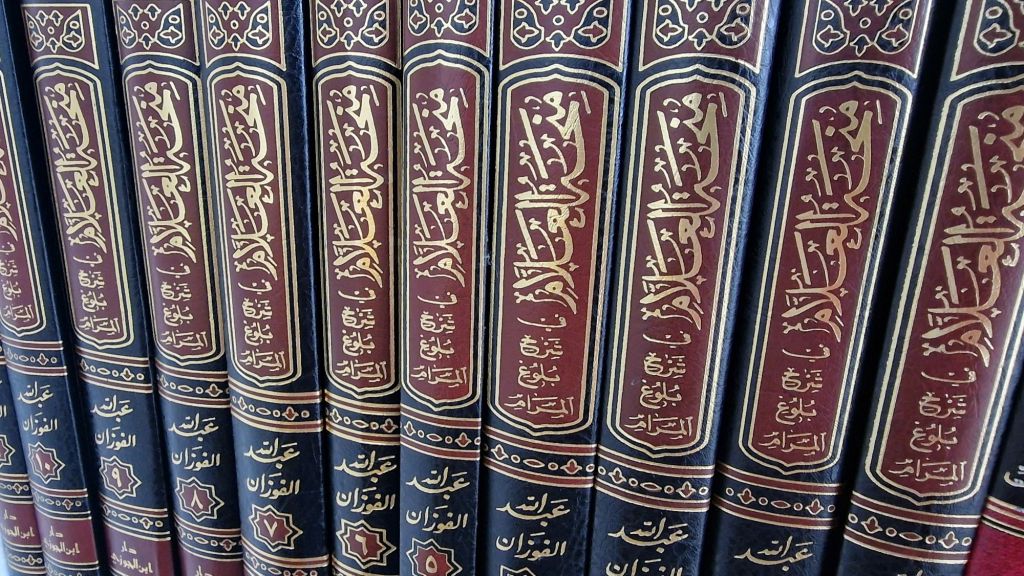
Hadīth 1: Narrated by a group of Sahābah, among them Shaddād ibn Aws (رضي الله عنه) who narrated:
أَنَّ رَسُولَ اللَّهِ ﷺ أَتَى عَلَى رَجُلٍ – بِالْبَقِيعِ – وَهُوَ يَحْتَجِمُ فِي رَمَضَانَ ، فَقَالَ:أَفْطَرَ الْحَاجِمُ وَالمَحْجُومُ
that the Messenger of Allāh (ﷺ) came upon a man — at al-Baqīʿ — who was undergoing cupping during Ramadān, and said: “The one who performs the cupping and the one upon whom it is performed have both broken their fast.” (Abū Dawūd 2369, Al-Nasā’ī in al-Kubrā 3/319, Ibn Mājah 1681, Ahmad 28/235, Ibn Hibbān 3534.
Ibn Hajr said in Bulūgh al-Marām: “Authenticated by Ahmad, Ibn Khuzaymah and Ibn Hibbān.” Declared Sahīh by Al-Albānī in al-Irwā #931. Al-Arnāūt declared it Sahīh upon the conditions of Muslim in his checking of Ibn Hibbān 8/304.
‘Abdullāh al-Fawzān said: “The majority (of scholars of Hadīth) have authenticated it. Among those who authenticated it is Imām al-Bukhārī, the shaykh of al-Bukhārī, ʿAlī ibn al-Madīnī; Ishāq ibn Ibrāhīm; ʿUthmān al-Dārimī; Ibn Khuzaymah; al-ʿUqaylī; Ibn Hibbān; al-Nawawī; and others.” (Minhatul-‘Allām 5/43))
Hadīth 2: Ibn ‘Abbās narrated:
أَنَّ النَّبِيَّ ﷺ احْتَجَمَ وَهُوَ مُحْرِمٌ، وَاحْتَجَمَ وَهُوَ صَائِمٌ
“That the Prophet (ﷺ) underwent cupping while he was in a state of ihrām, and (also) underwent cupping while he was fasting.” (Sahīh al-Bukhārī 1938, 1939)
Hadīth 3: Anas ibn Mālik narrated:
أَوَّلُ مَا كُرِهَتْ الحِجَامَةُ لِلصَّائِمِ، أَنَّ جَعْفَرَ بْنَ أَبِي طَالِبٍ احْتَجَمَ وَهُوَ صَائِمٌ، فَمَرَّ بِهِ النَّبِيُّ ﷺ فَقَالَ: «أَفْطَرَ هَذَانِ» ، ثُمَّ رَخَّصَ النَّبِيُّ ﷺ بَعْدُ فِي الحِجَامَةِ لِلصَّائِمِ، وَكَانَ أَنَسٌ يَحْتَجِمُ وَهُوَ صَائِمٌ
“The first (occasion) on which cupping became disliked for the fasting person was when Jaʿfar ibn Abī Tālib underwent cupping while he was fasting, and the Prophet (ﷺ) passed by him and said: “These two have broken their fast.” Then the Prophet (ﷺ) subsequently granted a dispensation (rukhsa) for cupping for the fasting person, and Anas used to undergo cupping while he was fasting.” (al-Dāraqutnī 2260, who said: “All of (the narrators) are trustworthy and reliable, and I don’t know of (it having) a defect.” Al-Albānī agreed with al-Dāraqutnī in al-Irwā 4/73 and further added: “This hadīth of Anas is explicit in (establishing) the abrogation of the preceding hadīths (i.e. Hadīth 1).”)
In a different narration from Anas:
سئل أنس بن مالك رضي الله عنه: أكنتم تكرهون الحجامة للصائم؟ قال : لا ، إلا من أجل الضعف، وزاد شبابة : حدثنا شعبة : على عهد النبي
Thābit al-Bunānī narrated: Anas ibn Mālik (رضي الله عنه) was asked: “Did you consider cupping disliked for the fasting person?” He said: “No, except on account of (the resulting) weakness.” And Shabābah added: Shuʿbah narrated to us: “during the time of the Prophet (ﷺ).” (Sahīh al-Bukhārī 1940)
Hadīth 4: Abū Sa’īd al-Khudrī narrated:
رخص رسول الله ﷺ في القبلة للصائم ، والحجامة
“The Messenger of Allāh (ﷺ) granted a dispensation (rukhsa) for the kiss for the fasting person, and for cupping.” (Ibn Khuzaymah 1967, al-Dāraqutnī 2262 and 2267 – both routes as marfū’ and who said after narration 2267: “all the narrators are trustworthy and reliable and others besides al-Mu’tamir narrated it as mawqūf (a statement of a companion).”, declared Sahīh by Al-Albānī in al-Irwā 4/75 and his checking of Ibn Khuzaymah, declared Sahīh by Al-Arnāūt in his checking of Ibn Hibbān 8/304 – and they (i.e. Al-Albānī and al-Arnāūt added:
Al-Muʿtamir has been corroborated in his raising of (the narration to the Prophet) — (as found) in al-Tabarānī’s al-Awsat — where it is narrated from Ibrāhīm ibn Hāshim, from Umayya, from ʿAbd al-Wahhāb ibn ʿAtāʾ, from Humayd, from Anas. This isnād is Sahīh: Ibrāhīm ibn Hāshim was declared trustworthy and reliable by al-Dāraqutnī, and those above him are trustworthy narrators of the Two Shaykhs (i.e., al-Bukhārī and Muslim) — except for ʿAbd al-Wahhāb, who is among the narrators of Muslim.
And it has another route from Abū al-Mutawakkil [narration collected by al-Dāraqutnī 2262]
And it has a supporting witness from the hadīth of Anas [see hadīth 3])
Hadīth 5: Ibn Abī Laylah narrated from a man from the Sahābah:
نهى عن الحجامة للصائم، وعن المواصلة ولم يحرمهما إبقاء على أصحابه
“He (the Prophet ﷺ) prohibited cupping for the fasting person and continuous fasting, but did not make them forbidden — (doing so) out of concern for his Companions.” (Abū Dawūd 2374, declared Sahīh by Al-Arnāūt)
‘Abdullāh al-Fawzān said: “The hadīth of Ibn ʿAbbās (رضي الله عنه) is evidence for the permissibility of cupping for the fasting person, and that it does not affect the fast — because the Prophet (ﷺ) underwent cupping while he was fasting. This is the position of the majority (of scholars) including the three Imāms: Abū Hanīfah, Mālik, and al-Shāfiʿī. It is also the apparent choice of al-Bukhārī, and Ibn Hazm gave it preponderance.
This is further supported by what was narrated previously via the route of ʿAbd al-Rahmān ibn Abī Laylāh — (who said): a man from the Companions of the Prophet (ﷺ) narrated to me that the Messenger of Allāh (ﷺ) prohibited cupping and continuous fasting (al-wisāl), but did not forbid them — (doing so) out of concern for his Companions.
Al-Bukhārī also narrated with his isnād from Shuʿbah, who said: I heard Thābit al-Bunānī say: Anas ibn Mālik (رضي الله عنه) was asked: “Did you consider cupping disliked for the fasting person?” — and in one narration: “during the time of the Messenger of Allāh (ﷺ)?” — He said: “No, except on account of (the resulting) weakness.” [Sahīh al-Bukhārī 1940]
The hadīth of Shaddād ibn Aws is evidence that cupping invalidates the fast, on account of his (the Prophet’s ﷺ) saying: “The one who performs the cupping and the one upon whom it is performed have both broken their fast” — the one upon whom cupping is performed breaks his fast due to the exiting of blood, because it weakens him; and as for the one who performs the cupping, (he breaks his fast) because he sucks the blood.
This is the madhhab (legal school) of Imām Ahmad, and it was chosen by Shaykh al-Islām Ibn Taymiyyah and his student Ibn al-Qayyim. It is also the position of some of the Shāfiʿīs, such as Ibn al-Mundhir, Ibn Khuzaymah, and others.”
What appears (to be correct) — and Allāh knows best — is the position of the majority: that cupping does not break the fast of the fasting person. Rather, it (only) used to break the fast in the beginning (of the legislation), then this ruling was abrogated.
They said: And what indicates the abrogation is the hadīth of Abū Saʿīd… [Hadīth 4]…Al-Hāfidh (Ibn Hajr) said: Ibn Hazm said: “Its isnād is Sahīh (authentic), so it is obligatory to act upon it — because a dispensation (rukhsa) only (comes into existence) after a binding ruling so this indicates the abrogation of breaking the fast through cupping, whether (one is) the one who performs it or the one upon whom it is performed.”
And the apparent (indication) of the hadīths of permissibility is that they are later than the hadīths of prohibition.
Many subsidiary issues branch off from the question of cupping, among them: phlebotomy, blood donation, and the taking of blood for medical analysis;
– on the position that cupping breaks the fast of the fasting person: blood donation, or the taking of a large amount of blood for analysis, would (likewise) break the fast; though if it is a small amount it would not have an effect.
– As for the position that cupping does not break the fast: the taking of blood does not break the fast at all, whether it is a large amount or a small amount.
As for nosebleeds and blood exiting from a wound or a tooth — so long as one does not swallow it — this does not break the fast at all, whether it is a large amount or a small amount, because it exited without his choice (i.e., involuntarily). And the foundational principle is the validity of the fast, unless there is a sound evidence indicating its invalidity.” (Slightly Abridged, Minhatul-‘Allām 5/44-46)
 fawaaids.com