Raising the hands when bowing (Rukū) and rising from bowing

بسم الله الرحمن الرحيم

Imām al-Bukhārī:
باب رَفْعِ الْيَدَيْنِ إِذَا كَبَّرَ وَإِذَا رَكَعَ وَإِذَا رَفَعَ

Chapter: To raise both hands upon saying the (opening) Takbir, and when performing Rukū’ (bowing) and on rising from it (i.e. Rukū’):

Ibn ‘Umar narrated: I saw that whenever Allāh’s Messenger (ﷺ) stood for the prayer, he used to raise both his hands up to the shoulders, and used to do the same on saying the Takbīr for Rukū’ (bowing) and on raising his head from Rukū’… (Sahīh al-Bukhārī 736)

Abū Zubair narrated that Jābir ibn ‘Abdullāh would raise his hands when he began the prayer, and when he made Rukū’, and when he raised his head from Rukū’ he would do likewise, and he said: “I saw the Messenger of Allāh (ﷺ) doing the same.” (Ibn Mājah 868. Declared Sahīh by Al-Albānī)

Ibn ‘Abdul-Barr said: Dawūd ibn ‘Alī said: Raising the hands at the opening Takbīr is obligatory and one of the pillars of prayer. Some of the people of knowledge said: The raising (of the hands) upon the opening (takbīr) and upon Rukū’, and rising from Rukū’ is obligatory, based on his (ﷺ) statement, “Pray as you have seen me pray.”(Sahīh al-Bukhārī 631). (At-Tamhīd 6/345)

Nāfī’ narrated that if Ibn ‘Umar saw a man who did not raise his hands when making Rukū’, and upon rising from it, he would throw pebbles at him. (Kitāb Raf’ al-Yadayn of al-Bukhārī pg. 53)

Abū Hamzah narrated: I saw Ibn ‘Abbās raise his hands when he performed Rukū’, and when he raised his head from Rukū’.  (At-Tamhīd 6/350)

al-Hasan (al-Basrī) said: The Companions of the Messenger of Allāh (ﷺ), would raise their hands in prayer, when they made rukū, and when they rose from it. (At-Tamhīd 6/350)

Al-Bukhārī said: al-Hasan did not exclude anyone from the companions of the Prophet (ﷺ), and it has not been proven with the people of knowledge that any one among the companions did not raise his hands. (Kitāb Raf’ al-Yadayn pg. 31)

Hishām narrated upon al-Hasan and Muhammad Ibn Sirīn that they would raise their hands when they said Takbīr, when they made Rukū’, and when they rose (from Rukū’). Muhammad bin Sirīn said: It is part of the completion of the prayer (At-Tamhīd 6/351)

Rabī ibn Subayh narrated: I saw ‘Atā, Tawūs, Mujāhid, Al-Hasan, Ibn Sirīn, Nafī’, Ibn Abī Najīh, Hasan ibn Muslim, and Qatādah raising their hands when making Rukū and upon rising from it. (At-Tamhīd 6/351)

Whoever doesn’t pray the ‘Asr prayer his good deeds will be nullified

بسم الله الرحمن الرحيم

حَافِظُواْ عَلَى الصَّلَوَاتِ والصَّلاَةِ الْوُسْطَى وَقُومُواْ لِلّهِ قَانِتِينَ ٢٣٨

Guard strictly the prayers, and the Salātul-Wustā (middle prayer), and stand before Allāh truly devout.

Sūrah al-Baqarah 2:238

Ibn Kathīr said: “Allāh commands that the prayer should be performed correctly and on time.” (Tafsīr of Ibn Kathīr)

Ibn al-Jawzī said: “To preserve and maintain the five daily prayers. The waw (‘and’) indicates virtue of the thing that is specified (i.e. ‘Asr prayer).

The middle (wasat) of something (means) : the best and fairest. It also means the middle, as the ‘Asr prayer is preceeded by the prayers of the day (i.e. Fajr, Dhuhr) and followed by the prayers of the night (i.e. Maghrib,’Ishā).” (Abridged from Zād al-Masīr 2/292-293)

The proof that the ‘Asr prayer is al-Salātul-Wustā:

  • The Prophet (ﷺ)said: “The middle prayer (Salātul-Wustā) is the ‘Asr prayer”. (Al-Tirmidhī 182. Declared Sahīh by Al-Albānī)
  • The Prophet (ﷺ) said: “They (the disbelievers) busied us from offering the middle prayer (Salātul-Wustā) the ‘Asr prayer”. (Sahīh Muslim 628)


Abū Al-Malīh narrated: We were with Buraidah in a battle on a cloudy day and he said, “Offer the ‘Asr prayer early as the Prophet (ﷺ) said: “Whoever leaves the ‘Asr prayer (intentionally), all his (good) deeds will be nullified.”

عَنْ أَبِي الْمَلِيحِ، قَالَ كُنَّا مَعَ بُرَيْدَةَ فِي غَزْوَةٍ فِي يَوْمٍ ذِي غَيْمٍ فَقَالَ بَكِّرُوا بِصَلاَةِ الْعَصْرِ فَإِنَّ النَّبِيَّ صلى الله عليه وسلم قَالَ ‏ “‏ مَنْ تَرَكَ صَلاَةَ الْعَصْرِ فَقَدْ حَبِطَ عَمَلُهُ ‏”‏‏.‏

(Sahīh Bukhārī 553)


Abū Hurairah narrated: Allāh’s Messenger (ﷺ) said, “Angels come to you in succession by night and day and they gather at the time of the Fajr and ‘Asr prayers. Those who have spent the night with you ascend (to the heavens) and Allāh asks them – though He knows best about them –  “In what state did you leave my slaves?” The angels reply: “When we left them they were praying and when we came to them, they were praying.”

عَنْ أَبِي هُرَيْرَةَ، أَنَّ رَسُولَ اللَّهِ صلى الله عليه وسلم قَالَ ‏ “‏ يَتَعَاقَبُونَ فِيكُمْ مَلاَئِكَةٌ بِاللَّيْلِ وَمَلاَئِكَةٌ بِالنَّهَارِ، وَيَجْتَمِعُونَ فِي صَلاَةِ الْفَجْرِ وَصَلاَةِ الْعَصْرِ، ثُمَّ يَعْرُجُ الَّذِينَ بَاتُوا فِيكُمْ، فَيَسْأَلُهُمْ وَهْوَ أَعْلَمُ بِهِمْ كَيْفَ تَرَكْتُمْ عِبَادِي فَيَقُولُونَ تَرَكْنَاهُمْ وَهُمْ يُصَلُّونَ، وَأَتَيْنَاهُمْ وَهُمْ يُصَلُّونَ ‏”‏‏.‏

(Sahīh Bukhārī 555)


Ibn ‘Umar narrated: Allāh’s Messenger (ﷺ) said, “Whoever misses the ‘Asr prayer (intentionally) then it is as if he lost his family and wealth. “

حَدَّثَنَا عَبْدُ اللَّهِ بْنُ يُوسُفَ، قَالَ أَخْبَرَنَا مَالِكٌ، عَنْ نَافِعٍ، عَنِ ابْنِ عُمَرَ، أَنَّ رَسُولَ اللَّهِ صلى الله عليه وسلم قَالَ ‏ “‏ الَّذِي تَفُوتُهُ صَلاَةُ الْعَصْرِ كَأَنَّمَا وُتِرَ أَهْلَهُ وَمَالَهُ ‏”‏‏.‏

(Sahīh Bukhārī 552)


Abū Bakr ibn Abī Mūsā narrated: My father said, “Allāh’s Messenger (ﷺ) said, ‘Whoever prays the two cool prayers (‘Asr and Fajr) will enter Paradise.”

عَنْ أَبِي بَكْرِ بْنِ أَبِي مُوسَى، عَنْ أَبِيهِ، أَنَّ رَسُولَ اللَّهِ صلى الله عليه وسلم قَالَ ‏ “‏ مَنْ صَلَّى الْبَرْدَيْنِ دَخَلَ الْجَنَّةَ ‏”‏‏

(Sahīh Bukhārī 574)

Sīrah series: Abdullāh ibn Mas’ūd recites Sūrah Al-Rahmān to the Quraysh

بسم الله الرحمن الرحيم

Ibn Ishāq said: Yahyā ibn ‘Urwah ibn al-Zubayr told me, on the authority of his father, he said: The first to recite the Qur’ān out loud after the Messenger of Allāh (ﷺ) was ‘Abdullāh ibn Mas’ūd.

He said: One day the companions of the Messenger of Allāh (ﷺ) gathered together, and they said:

“By Allāh, the Quraysh have never heard this Qur’ān recited aloud to them, so who among you will make them hear it?”

‘Abdullāh ibn Mas’ūd said: “I (will)”. They said: “We fear for you. We want a man with a clan who will protect him from the people if they intend to harm him.” He said: “Leave me. Allāh will protect me.”

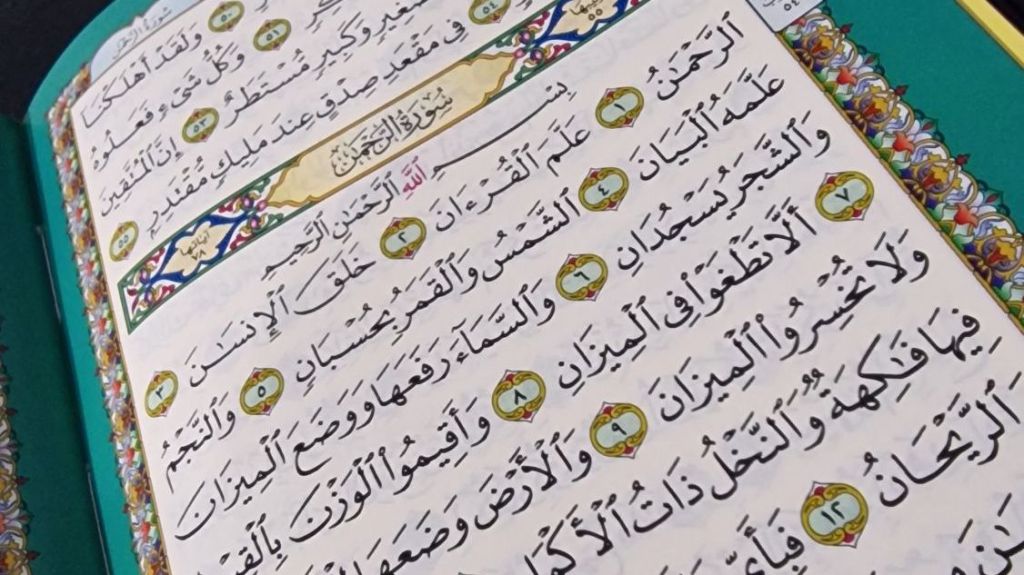
So Ibn Mas’ūd went in the forenoon until he came to the Maqām (of Ibrāhīm) whilst the Quraysh were in their assemblies. He stood in front of the Maqām and then recited [Sūrah al-Rahmān 55]: Bismillahi al-Rahmān al-Rahīm, Al-Rahmān, ‘Alama-l Qur’ān… He said: So they looked at him and started saying: “What is he saying?”

Then they said: “He is reciting some of what Muhammad brought.” So they stood up to him, and they started hitting him in the face, and he continued to recite until he went on as much as Allāh willed for him to recite.

Then he returned to his companions, and they looked at him (with traces of beating visible on his face), and they said to him: “This is what we feared for you.” So he said: “The enemies of Allāh have never been more insignificant in my sight than they are now! And if you wish, I will do the same thing tomorrow.” They said: “No, it is enough. You have made them hear what they dislike.”

(Sīrah of Ibn Hishām 1/314-315)

Story of Prophet Mūsā: the splitting of the sea

بسم الله الرحمن الرحيم

وَإِذۡ فَرَقۡنَا بِكُمُ ٱلۡبَحۡرَ فَأَنجَيۡنَٰكُمۡ وَأَغۡرَقۡنَآ ءَالَ فِرۡعَوۡنَ وَأَنتُمۡ تَنظُرُونَ ٥٠

And (remember) when We separated the sea for you and saved you and drowned Fir’aun’s (Pharaoh) people while you were looking (at them). (Al-Baqarah 2:50)

Muqātil ibn Sulaymān said: The waters parted to the right and left like two mountains facing each other, and in them were openings through which each tribe looked to the other. (Zād al-Masīr fī ‘ilm al-Tafsīr 1/351 of Ibn al-Jawzī)

Ibn ‘Abbās narrated: Allāh revealed to Mūsā to ‘take away My servants by night, you will be pursued.’ So Mūsā walked with the Children of Israel at night, and Pharaoh followed them with one million in number on horseback, except for females, and Mūsā had six hundred thousand in number. When Pharaoh saw them, he said: “Indeed, these are a small group. And indeed, they have done what has enraged us. But we are host all assembled, amply fore-warned.” [Al-Shu’arā’: 54-56].

So Mūsā walked with the Children of Israel until they came upon the sea, so they turned around and saw that there were a group of riding beasts (Pharaohs army). And they said: “O Mūsā, we have been harmed before you came to us and after you have come to us.” [Al-A’rāf:129], this sea is before us, and the Pharaoh and those with him are getting closer to us! So he said, “Perhaps your Lord will destroy your enemy and grant you succession in the land and see how you will act .” [Al-A’rāf:129].

Then Allāh revealed to Mūsā: “Strike the sea with your staff..” [Al-Shu’arā’:63], and He revealed to the sea, “listen to Mūsā and obey if he strikes you.” Then the sea began to tremble – meaning tremor – and Mūsā did not know which side to strike the sea from. Then Yūshā said to Mūsā: ‘What were you commanded with?’ He said: ‘I was ordered to strike the sea.’ He said: ‘So strike it!.’

So Mūsā struck the sea with his staff, and it split, and there were twelve paths in it, each path was like a great mountain (beside them). Each tribe had a path to take. When they started on their path, they said to each other: ‘Why do we not see our companions?’ So they said to Mūsā: ‘Where are our companions that we do not see?’ He said: ‘Walk, for they are on a path similar to yours.’ They said: ‘We will not be satisfied until we see them.’ Mūsā said: ‘Oh Allāh, help and aid me with their evil character.’

Then Allāh revealed to him: ‘Do like this with your staff’. Ibrāhīm [narrator] gestured with his hand (in a circular manner) to direct it to the sea. Mūsā gestured with his staff on the walls (of the sea) like so, and there were openings in it so they could see one another.

So they walked until they emerged from the sea. When the last of Mūsās people passed, Pharaoh and his companions entered the sea, And it was said to Mūsā: ‘Leave the sea alone’ – as it is – [Ibn Kathīr said: as Mūsā wanted to strike the sea again so it would return to its original state to block the way of Pharaoh and his people] and Pharaoh and his people entered the sea, and when the last of Pharaoh’s people entered, and the last of Mūsās people passed, the sea closed in on Pharaoh and his people, and they drowned.

(Jāmi’ al-Bayān ‘an Tawīl al-Qurān of al-Tabarī 2/485. Qisās al-Anbīyā of Ibn Kathīr)

The night of the Jinn with ‘Abdullāh Ibn Mas’ūd

بسم الله الرحمن الرحيم

Ibn Mas’ūd narrated :

The Messenger of Allāh (ﷺ) performed ‘Ishā, then he turned and asked for me. He took my hand and we set out until I came to the wide valley of Makkah. He drew a line for me and said to me: ‘Stay within this line, and do not cross it, for indeed there shall come some men to you, but do not speak to them for they shall not speak to you, and if you cross (the line), you will perish. ‘ So I stayed within it. So the Messenger of Allāh (ﷺ) went on a little, as far as one could throw a stone or a little further.

While I was sitting within the line, some men/shapes of figures [i.e. jinn] came to me that appeared as if they were black people (i.e. dark people, like from North Africa or India), both their hair and bodies. They were not wearing any clothes but I could not see their private parts, and they were tall and they had little flesh (i.e. slim).

Then they returned towards Allāh’s Messenger (ﷺ) and began towering on top of the Messenger of Allāh (ﷺ). The Prophet of Allāh (ﷺ) began to recite the Qur’ān to them. And they started coming to me and surrounding me, and getting in my way. I was extremely scared of them, so I sat down – or words to that effect.

When dawn entered, they started to leave. Then the Messenger of Allāh came and entered into the line with me, looking heavy and in pain, or almost like he was in pain from their towering over him. He (ﷺ) said:’I find myself tired’ – or words to that effect. So the Messenger of Allāh (ﷺ) placed his head on my lap to sleep. And the Messenger of Allāh (ﷺ) would snore when he slept.

While I was sitting there, after a while, these men came, wearing long white garments, and Allāh knows best how handsome they were. The Messenger of Allāh (ﷺ) had gone to sleep. They came towards me – I was more afraid than I was the first time – a group of them sat at the head of the Messenger of Allāh (ﷺ) and a group at his feet. So some of them said to each other: This servant has been given good, his eyes are asleep, but his heart is awake.

Some of them said to one another: Come, let us give him a parable. Some of them said to one another: You coin for him a parable, and we will interpret it, or we will coin for him a parable and you will interpret it.

So some of them said to each other: His parable is that of a leader who built a fortified fort, then he placed a table-spread in it and he invites people to eat and drink. So whoever answers his invitation, he eats from his food and drinks from his drink. And whoever does not come and eat his food, or who does not answer his invitation, he will punish him with a severe punishment.

The others said: As for the leader, he is the Lord of the worlds, and as for the fort, it is Islām, and the food is Paradise, and he (the prophet) is the one who invites, so whoever follows him will be in Paradise. And whoever does not follow him will be punished.

Then the Messenger of Allāh (ﷺ) woke up and said: ‘What did you see, Oh Ibn Umm ‘Abd?’ ‘Abdullāh said: I saw such-and-such. The Prophet (ﷺ) said: ‘Nothing of what they said was hidden from me.’ The Prophet of Allāh (ﷺ) said:’ They are a group of the angels.’ Or he said:’ They are the angels.’

(Musnad Imām Ahmad 3788 – declared Sahīh by Ahmad Shākir. Al-Tirmidhī 2861 – declared Hasan Sahīh by Al-Albānī)


The obligation to say Bismillah before wudu & the ruling on saying it in the bathroom

بسم الله الرحمن الرحيم

Abū Hurayrah narrated: The Messenger of Allāh (ﷺ) said,

لاَ صَلاَةَ لِمَنْ لاَ وُضُوءَ لَهُ وَلاَ وُضُوءَ لِمَنْ لَمْ يَذْكُرِ اسْمَ اللَّهِ تَعَالَى عَلَيْهِ

The prayer of a person who does not perform ablution is not valid, and the ablution of a person who does not mention the name of Allāh (in the beginning) is not valid.

(Abū Dawūd 101, Musnad of Imām Ahmad 9418, al-Hākim 524.
Declared Hasan by Al-Albānī in Irwā 81.
Also declared as being Hasan or Sahīh by Ibn Kathīr in al-Irshād p. 50.
Declared Hasan by al-‘Irāqī in Muhajat al-Qurāb ilā Mahabat al-‘Arab 150.
al-Tirmidhī 25, Ahmad Shākir declared the chain of transmission as good, Hasan.
Imām al-Mundhirī mentions that the many ways of transmission are gathered together and gain strength (in terms of authenticity) – (Sahīh Targhīb 1/201)


Anas narrated: The Messenger of Allāh (ﷺ) said,

‏تَوَضَّئُوا بِسْمِ اللَّه
Perform Wudū’ in the Name of Allāh.

(al-Nasā’ī 78 – declared Sahīh by Al-Albānī.
Al-Dāraqutnī 221 – declared Sahīh by Shu’ayb al-Arnaūt.
Sunan al-Kubrā of al-Bayhaqī 191 – who said ‘this is the most authentic on (what has been related regarding) the Tasmiyah [i.e. saying Bismillāh])

Imām al-Mundhirī said:

al-Hasan (al-Basrī), Ishāq ibn Rahwayh, and the people of al-Dhāhir held that it is obligatory to pronounce the name of Allāh during ablution, to the point that if one deliberately neglects it, he would have to repeat the ablution. And this was (also) reported from Imām Ahmad. (Sahīh Targhīb wa Tarhīb 1/201)

al-‘Adhīm al-Ābādī said:

al-Sha’rānī said in al-Mīzān: Dawūd (al-Dhāhirī) and Ahmad (ibn Hanbal) said: It (i.e. tasmiyah) is obligatory and ablution is not valid without it, whether done (i.e. left out) intentionally or out of forgetfulness. And Ishāq (ibn Rahwayh) said: If he forgets, his ablution is valid, otherwise it is not. (‘Awn al-Ma’būd 1/183).


Saying the Tasmiyah whilst in the bathroom


Q: What is the ruling on saying Adhkār (invocations and remembrances said at certain times on a regular basis) when performing Wudū’ (ablution) inside bathrooms?


A: It is an act of Sunnah to keep silent inside bathrooms and not to say Adhkār because this is a place for relieving oneself. However, if one is to perform Wudū’ inside bathrooms, one should say Tasmiyah (saying, “Bismillāh [In the Name of Allāh]”) at the beginning of Wudū’ for Tasmiyah is Wājib (obligatory) according to a group of scholars and, consequently, it is not to be neglected even if it is Makruh (disliked) to say anything in this place (washroom), for the obligatory act takes precedence over a reprehensible one. Hence, Muslims should say Tasmiyah upon starting Wudū’ when they wash their hands and before Madmadah (rinsing the mouth) and Istinshāq (sniffing water into the nose and then expelling it) or upon Madmadah or Istinshāq. To sum up, one should say Tasmiyah upon Wudū’ even if having to perform Wudū’ in the bathroom because saying the Tasmiyah is Wājib according to some scholars and a stressed Sunnah according to most of them. In accordance, it should not be neglected.

(Fatāwā of Ibn Bāz, Volume 29, 17 – Ruling on saying the Tasmiyah inside the washroom)

Al-Ifta Link: https://www.alifta.gov.sa/En/IftaContents/IbnBaz/Pages/FatawaDetails.aspx?cultStr=en&View=Page&PageID=5532&PageNo=1&BookID=14

The Du’ā of the Prophet for the one who seeks hadīth!

بسم الله الرحمن الرحيم


استَسقى رسولُ اللهِ صلَّى اللهُ عليه وسلَّمَ، فأتَيتَه بإناءٍ فيه ماءٌ، وفيه شَعرةٌ فرَفَعتُها، ثُمَّ ناوَلتُه، فقال: اللَّهُمَّ جَمِّلْه { وأدِمْ جمالَه }، قال: فرَأَيتُه بعدَ ثَلاثٍ وتِسعينَ سَنةً وما في رَأسِه ولِحيَتِه شَعرةٌ بَيضاءُ

‘Amr ibn Akhtab al-Ansārī narrated: The Messenger of Allāh (ﷺ) asked for water, so I brought him a vessel containing water, and in it was a hair which I removed, then gave it to him, and he said: “Oh Allāh, beautify him, and make his beauty last.” He said (the narrator): I saw him after ninety-three years, and there was no white hair on his head or beard.

(Musnad of Imām Ahmad 22883, 20733. Declared Sahīh by Shu’ayb al-Arnāūt)

Shaykh Abdul-Razzāq al-Badr said:

‘And this great, blessed supplication can be attained even in our time, for the one Allāh has honored in caring for the Sunnah of the Prophet and the noble ahādīth, in terms of memorising, understanding, applying, and calling (people) to them. It is authentically reported from him that he (ﷺ) said in the Khayf of Minā (in Makkah):

نضَّر اللهُ امرأً سمِعَ مقالَتي{ فحفِظَها} فوَعاها فأدَّاها كما سمِعَها

May Allāh make radiant (the face of) the one who hears a saying of mine, {memorised it}, understood it, and applied it as it was heard.

[Other narrations such as in Ibn Hibbān 66, contain the wording ‘conveyed it as he heard it’ – فَبَلَّغَهُ كما سمِعَها -. Likewise some contain the wording ‘May Allāh have mercy upon the one…’- رَحِمَ الله امرأً – Ibn Hibbān 67/68. Authenticated by Shu’ayb al-Arnāūt)]

This is a supplication from him (ﷺ) for anyone who looks after his sunnah by memorising, understanding, applying, and calling to it, that Allāh would enlighten his face.

This is an ongoing supplication, so whoever wants to attain this blessed supplication in any time, and in any century, then let him devote himself to ahādīth by memorising them, studying them, acting upon them, and calling (people) to them.

Sufyān ibn ‘Uyaynah said: ‘No one seeks the (knowledge of) hadīth except that his face is bright’.’

(Sharh al-Shamā’il al-Muhammadiyyah pg. 54-55)

What is Thunder?

بسم الله الرحمن الرحيم

، عَنِ ابْنِ عَبَّاسٍ، قَالَ أَقْبَلَتْ يَهُودُ إِلَى النَّبِيِّ صلى الله عليه وسلم فَقَالُوا يَا أَبَا الْقَاسِمِ أَخْبِرْنَا عَنِ الرَّعْدِ مَا هُوَ قَالَ ‏”‏ مَلَكٌ مِنَ الْمَلاَئِكَةِ مُوَكَّلٌ بِالسَّحَابِ مَعَهُ مَخَارِيقُ مِنْ نَارٍ يَسُوقُ بِهَا السَّحَابَ حَيْثُ شَاءَ اللَّهُ ‏”‏ ‏.‏ فَقَالُوا فَمَا هَذَا الصَّوْتُ الَّذِي نَسْمَعُ قَالَ ‏”‏ زَجْرُهُ بِالسَّحَابِ إِذَا زَجَرَهُ حَتَّى يَنْتَهِيَ إِلَى حَيْثُ أُمِرَ ‏”‏ ‏.‏ قَالُوا صَدَقْتَ

Ibn ‘Abbās narrated: “The Jews came to the Prophet (ﷺ) and said: ‘O Abul-Qāsim! Inform us about the thunder, what is it?’ He said: ‘An angel among the angels, who is responsible for the clouds. He has a piece of fire that he drives the clouds wherever Allāh wills.’ They said: ‘Then what is this noise we hear?’ He said: ‘It is him, rebuking the clouds as he drives them on, until they go where they are commanded.’ They said: ‘You have spoken the truth.’ “

(al-Tirmidhī 3117. Declared Sahīh by Al-Albānī)

In another version :

أخبِرْنا ما هذا الرَّعدُ قال : مَلَكٌ من ملائكةِ اللهِ عزَّ وجلَّ مُوَكَّلٌ بالسحابِ بيدِهِ أو في يدِه مِخراقٌ من نارٍ يَزجرُ به السحابَ يَسوقُهُ حيثُ أمرَ اللهُ قالوا : فما هذا الصوتُ الذي يُسمعُ قال : صَوتُهُ قالوا : صدقْتَ

“‘(They said) inform us what thunder is.’ He (ﷺ) said: ‘An angel from the angels of Allāh entrusted with the clouds, in his hand is a piece of fire, with which he collects the clouds and drives them wherever Allāh commands.’ They said: ‘What is this voice that is heard?’ He said: ‘His voice.’ They said: ‘You have spoken the truth.’ “

(Musnad of Imām Ahmad 2483. Declared Sahīh by Ahmad Shākir)

From the virtues of Taqwā: Al-Bushrā (glad tidings)

بسم الله الرحمن الرحيم

﴿أَلا إِنَّ أَوْلِيَآءَ اللَّهِ لاَ خَوْفٌ عَلَيْهِمْ وَلاَ هُمْ يَحْزَنُونَ – الَّذِينَ ءامَنُواْ وَكَانُواْ يَتَّقُونَ – لَهُمُ الْبُشْرَى فِي الْحَيوةِ الدُّنْيَا وَفِى الاٌّخِرَةِ لاَ تَبْدِيلَ لِكَلِمَاتِ اللَّهِ ذلِكَ هُوَ الْفَوْزُ الْعَظِيمُ ﴾

No doubt! Verily, the Auliyā’ (allies) of Allāh, no fear shall come upon them nor shall they grieve, those who believed, and have Taqwā of Allāh, for them are Bushrā (glad tidings), in the life of the present world and in the Hereafter. No change can there be in the Words of Allāh, this is indeed the supreme success.

Sūrah al-Yūnūs: 62-64

Al-Auliyā (allies)’

Ibn Juzayy said:

They (Auliyā) are those whom Allāh explained after this (statement) by saying :’Those who believed, and have Taqwā of Allāh’, the one that combines between Īmān (faith) and Taqwā is a walī (ally).

(Tashīl ‘Ulūm al-Tanzīl 2/94)

The Prophet (ﷺ) said: From the slaves of Allāh are some who are neither prophets nor martyrs; the prophets and martyrs will envy them on the Day of Resurrection for their status from Allāh.

They (the people) said: Oh Messenger of Allāh, tell us who they are? He replied: They are people who love one another for the spirit of Allāh without having any mutual kinship nor any financial interests between them. I swear by Allāh, their faces will (glow) with light and they will be sitting on seats of light. They will have no fear (on the Day) when the people will have fear, and they will not grieve when the people will grieve.

He then recited the verse: “No doubt! Verily for the Auliyā of Allāh, no fear shall come upon them, nor shall they grieve. (Sūrah Yūnus :62)”.

Abū Dawūd 3527. Declared Sahīh by Al-Albānī

No fear shall come upon them nor shall they grieve

Ibn ‘Attiyah said:

(As a possible) reference to the hereafter; they do not fear the hereafter at all. They do not fear the punishment or torment, and they do not grieve about it.

It is possible that this is (a reference) to this world, meaning: they do not fear the fears of this world. They do not fear any of the people of this world or its (worldy) goods, and they do not grieve over what they missed from it.

(Summarised, abridged from Al-Muharar al-Wajīz (5/207)


Those who believed, and have Taqwā of Allāh

Shaykh Abdurrahmān as-Sa’dì said:

(those who believed and have Taqwā of Allāh) meaning, have faith in Allāh, His angels, His divine books, His Prophets, and Messengers, the Day of Resurrection, and pre-decree; the good and the bad (of it).

Additionally, they are the ones who demonstrate their faith by practising Taqwā, obeying Allāhs commands, and refraining from violating His prohibitions. (Tafsīr as-Sa’dī 2/228).

Talq ibn Habīb said: “Taqwā is to act in Allāhs obedience upon a light from Allāh, hoping in Allāhs mercy, and to avoid disobeying Allāh upon a light from Allah, fearing Allāhs punishment.” (Umdatul Tafsīr 1/107)


Al-Bushrā (glad tidings)’

Ibn Juzayy said:

As for the Bushrā of the hereafter, then it is Paradise, as agreed upon.

And as for the Bushrā of the worldly life, then it is a good vision seen by a righteous person or seen by himself, as narrated from the Messenger of Allāh (ﷺ).

(Tashīl ‘Ulūm al-Tanzīl 2/94).

سألتُ النَّبيَّ صلَّى اللهُ عليه وسلَّمَ عن قَولِه عزَّ وجلَّ: {لَهُمُ الْبُشْرَى فِي الْحَيَاةِ الدُّنْيَا وَفِي الْآخِرَةِ} [يونس: 64] قال: الرُّؤيا الصالحةُ يَراها المُسلِمُ، أو تُرى له، {وَفِي الْآخِرَةِ} [يونس: 64] قال: الجَنَّةُ

Abū al-Dardā narrated: I asked the Prophet (ﷺ) about Allāhs saying: “For them are Bushrā in the life of the present world and in the Hereafter” [Yūnus: 64]. He (ﷺ) said: The good dream that is seen by a Muslim, or which is seen for him, {and in the Hereafter} [Yūnus: 64] He said: Paradise.

Declared Sahīh by Shu’ayb al-Arnāūt in Takhrīj Mishkal al-Āthār 2180

Ibn Kathīr said:

And it was also said that the Bushrā here is the glad tidings the angels bring to the believer at the time of death. They bring him the good news of Paradise and forgiveness:

﴿إِنَّ الَّذِينَ قَالُواْ رَبُّنَا اللَّهُ ثُمَّ اسْتَقَـمُواْ تَتَنَزَّلُ عَلَيْهِمُ الْمَلَـئِكَةُ أَلاَّ تَخَافُواْ وَلاَ تَحْزَنُواْ وَأَبْشِرُواْ بِالْجَنَّةِ الَّتِى كُنتُمْ تُوعَدُونَ – نَحْنُ أَوْلِيَآؤُكُمْ فِى الْحَيَوةِ الدُّنْيَا وَفِى الاٌّخِرَةِ وَلَكُمْ فِيهَا مَا تَشْتَهِى أَنفُسُكُمْ وَلَكُمْ فِيهَا مَا تَدَّعُونَ – نُزُلاً مِّنْ غَفُورٍ رَّحِيمٍ ﴾

Verily, those who say: “Our Lord is Allah (alone),” and then they stand straight and firm, on them the angels will descend (at the time of their death) (saying): “Fear not, nor grieve! But receive the glad tidings of Paradise which you have been promised! We have been your friends in the life of this world and are (so) in the Hereafter. Therein you shall have (all) that your souls desire, and therein you shall have (all) for which you ask. An entertainment from (Allāh), The Oft-Forgiving, The Most Merciful.”

Sūrah al-Fussilat:30-32

(Umdatul-Tafsīr 2/234)

Miracle of the prophet: Makkah will remain a land of Islām until the last hour

بسم الله الرحمن الرحيم

إِنَّ أَوَّلَ بَيۡتٖ وُضِعَ لِلنَّاسِ لَلَّذِي بِبَكَّةَ مُبَارَكٗا وَهُدٗى لِّلۡعَٰلَمِينَ ٩٦
Verily, the first House (of worship) appointed for mankind was that at Bakkah (Makkah), full of blessing, and a guidance for Al-‘Ālamīn (the mankind and jinns). (3:96)

عَنِ ابْنِ عَبَّاسٍ، قَالَ قَالَ رَسُولُ اللَّهِ صلى الله عليه وسلم يَوْمَ الْفَتْحِ فَتْحِ مَكَّةَ ‏ “‏ لاَ هِجْرَةَ وَلَكِنْ جِهَادٌ وَنِيَّةٌ وَإِذَا اسْتُنْفِرْتُمْ فَانْفِرُوا ‏”‏


It has been narrated on the authority of Ibn ‘Abbās that the Messenger of Allāh (ﷺ) said on the day of the Conquest of Makkah:

There is no Hijrah (migration) now, but (only) Jihād (fighting for the cause of Islām) and Niyyah (intention for purpose) ; So when you are called (for Jihād) then go forth. (Sahīh Muslim 1353)

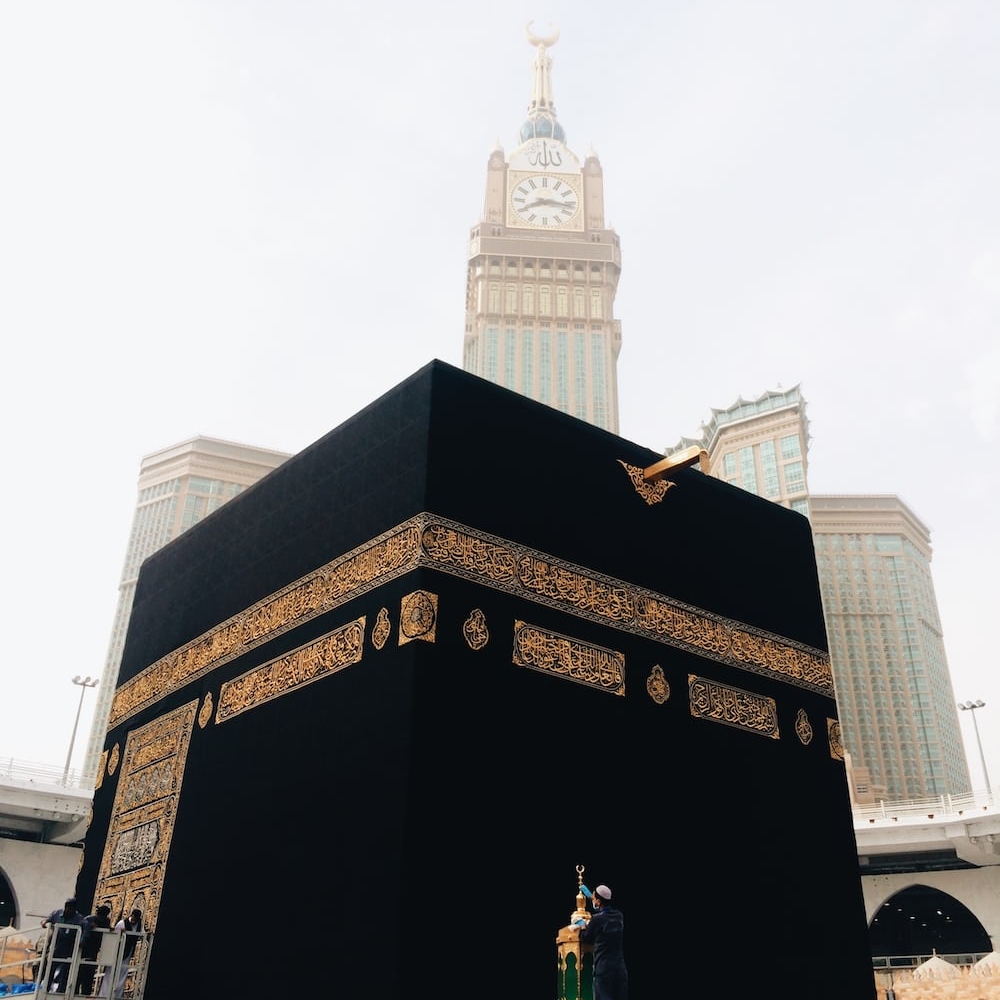
Imām Nawawī said: (meaning) no Hijrah from Makkah because it became a land of Islām. (Riyād Al-Sālihīn, hadīth #3)

Shaykh Ibn Uthaymīn said:

The annulment (of Hijrah) here is annulment of Hijrah from Makkah as stated by the author (Imām Nawawī), because after the Conquest, Makkah became a land of Islām and will never return to being a land of kufr (disbelief).

This contains evidence that Makkah will never return to be a land of kufr (disbelief). It will rather continue to be a land of Islām until the last hour or until Allāh wills. (Sharh Riyād Al-Sālihīn 1/32)

Imām An-Nawawī said:

This contains a mu’jizah (miracle) from the messenger of Allāh (ﷺ) that it (Makkah) will remain a land of Islām from which Hijrāh is not conceivable (i.e possible). (Sharh Sahīh Muslim Hadith #1353)