Ibn Mas’ood prohibiting dhikr using pebbles – it’s authenticity and points of benefit

بسم الله الرحمن الرحيم
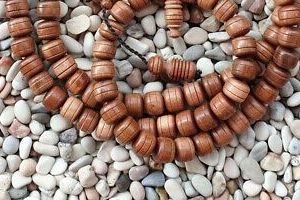
أَخْبَرَنَا الحَكَمُ بْنُ المُبَارَكِ قَالَ : أَخْبَرَنَا عُمَرُو بْنُ يَحْيَى قَالَ : سَمِعْتُ أَبِي يُحَدِّثُ عَنْ أَبِيهِ قَالَ : كُنَّا نَجْلِسُ عَلَى بَابِ عَبْدِ اللَّهِ بنِ مَسْعُودٍ قَبْلَ صَلَاةِ الغَدَاةِ، فَإِذَا خَرَجَ مَشَيْنَا مَعَهُ إِلَى الْمَسْجِدِ، فَجَاءَنَا أَبُو مُوسَى الأَشْعَرِيُّ فَقَالَ : أَخَرَجَ إِلَيْكُمْ أَبُو عَبْدِ الرَّحْمَنِ بَعْدُ؟ قُلْنَا : لَا ، فَجَلَسَ مَعَنَا حَتَّى خَرَجَ ، فَلَمَّا خَرَجَ قُمْنَا إِلَيْهِ جَمِيعاً، فَقَالَ لَهُ أَبُو مُوسَى : يَا أَبَا عَبْدِ الرَّحْمَنِ، إِنِّي رَأَيْتُ فِي المَسْجِدِ آنِفَا أَمْراً أَنْكَرْتُهُ ، وَلَمْ أَرَ – وَالحَمْدُ لله – إلا خيراً، قال: فما هو؟ فقال: إِنْ عِشْتَ فَسَتَرَاهُ، قَالَ: رَأَيْتُ فِي المَسْجِدِ قَوْماً جلقاً جُلُوساً يَنْتَظِرُونَ الصَّلَاةَ، فِي كُلِّ حَلْقَةٍ رَجُلٌ، وَفِي أَيْدِيهِمْ حَصَاةٌ، فَيَقُولُ: كَبَرُوا مِئَةً، فَيُكَبِّرُونَ مِنه فَيَقُولُ : هَلِّلُوا مِئَةً، فَيُهَلِّلُونَ مِئَةً، وَيَقُولُ : سَبْحُوا مِنْهُ. فَيُسَبِّحُونَ مِئَةً، قَالَ : فَمَاذَا قُلْتَ لَهُمْ؟ قَالَ : مَا قُلْتُ لَهُمْ شَيْئاً انْتِظَارَ رَأْيِكَ – أَوِ  : انْتِظَارَ أَمْرِكَ – قَالَ : أَفَلَا أَمَرْتَهُمْ أَنْ يَعُدُّوا سَيِّئَاتِهِمْ وَضَمِنْتَ لَهُمْ أَنْ لَا يَضِيعَ مِنْ حَسَنَاتِهِمْ؟ ثُمَّ مَضَى وَمَضَيْنَا مَعَهُ حَتَّى أَتَى حَلَقَةً مِنْ تِلْكَ الحِلَقِ فَوَقَفَ عَلَيْهِمْ، فَقَالَ : مَا هَذَا الَّذِي أَرَاكُمْ تَصْنَعُونَ؟ قَالُوا : يَا أَبَا عَبْدِ الرَّحْمَنِ، حَصَى نَعُدُّ بِهِ التَّكْبِيرَ وَالتَّهْلِيلَ وَالتَّسْبِيحَ، قَالَ : فَعُدُّوا سَيِّئَاتِكُمْ فَأَنَا ضَامِنٌ أَنْ لَا يَضِيعَ مِنْ حَسَنَاتِكُمْ شَيْءٌ، وَيْحَكُمْ يَا أُمَّةَ مُحَمَّدٍ، مَا أَسْرَعَ هَلَكَتَكُمْ، هَؤُلَاءِ صَحَابَةُ نَبِيِّكُمْ مُتَوَافِرُونَ، وَهَذِهِ ثِيَابُهُ لَمْ تَبْلَ، وَآنِيَتُهُ لَمْ تُكْسَرْ، وَالَّذِي نَفْسِي فِي يَدِهِ، إِنَّكُمْ لَعَلَى مِلَّةِ هِيَ – أَهْدَى مِنْ مِلَّةِ مُحَمَّدٍ، أَوْ مُفْتَتِحِي  بَابِ ضَلَالَةِ، قَالُوا : وَاللَّهِ يَا أَبَا عَبْدِ الرَّحْمَنِ مَا أَرَدْنَا إِلَّا الخَيْرَ، قَالَ : وَكَمْ مِنْ مُرِيدٍ لِلْخَيْرِ لَنْ يُصِيبَهُ ، إِنَّ رَسُولَ اللهِ ﷺ حَدَّثَنَا أَنَّ قَوْماً يَقْرَؤُونَ القُرْآنَ لَا يُجَاوِزُ تَرَاقِيَهُمْ، وَايْمُ اللَّهِ ، مَا أَدْرِي لَعَلَّ أَكْثَرَهُمْ مِنْكُمْ ثُمَّ تَوَلَّى عَنْهُمْ. فَقَالَ عَمْرُو بنُ سَلِمَةَ : رَأَيْنَا عَامَّةً أُولَئِكَ الحِلَقِ يُطَاعِنُونَا يَوْمَ النَّهْرَوَانِ مَعَ الخوارج

Narrated by al-Hakam ibn al-Mubārak > ‘Amr ibn Yahyā > from his father (Yahyā ibn ‘Amr) > from his father (‘Amr ibn Salimah ibn al-Hārith) who reported:

We used to sit by the door of Abdullāh ibn Mas’ūd, may Allāh be pleased with him, before dawn prayer. When he came out, we would walk with him to the mosque. Then Abū Mūsā al-Ash’arī came to us and he said: “has Abū Abd al-Rahmān come out to you yet?” We said: “No.” So he sat with us until he came out. When he came out, we all stood and went to him.

So Abū Mūsā said to him:, “O Abū Abd al-Rahmān, I recently saw something in the mosque that I detested and yet, praise be to Allāh, I saw nothing but good.” Ibn Mas’ūd said, “What was it?” Abū Mūsā said, “If you live long enough, you will see it. I saw people sitting in the mosque in circles waiting for prayer. A man in each circle had pebbles and he would tell them to say Allāhu Akbar one hundred times and they would do so, then declare lā ilahā illAllāh one hundred times and they would do so, then Subhan-Allāh one hundred times and they would do so.”

Ibn Mas’ūd said, “What did you say to them?” Abū Mūsā said, “I did not say anything to them. I was waiting for your opinion or order.” Ibn Mas’ūd said, “Would you not order them to count their sins and guarantee for them that their good deeds would not be wasted?”

We went along with him until he reached one of these circles and he stood over it, saying, “What is this I see you doing?” They said, “O Abū Abd al-Rahmān, they are pebbles by which we count Takbīr, Tahlīl, and Tasbīh.” Ibn Mas’ūd said, “Count your sins, for I guarantee that none of your good deeds will be wasted. Woe to you, nation of Muhammad! How quickly do you run to your destruction! Here are his companions, these are his clothes yet to be worn out, these are his utensils yet to break. By the One in whose hand is my soul, perhaps you are upon a religion better guided than the religion of Muhammad? Or have you opened the door of misguidance?”

They said, “By Allāh, O Abū Abd al-Rahmān, we intended nothing but good.” Ibn Mas’ūd said, “How many intend good but do not achieve it! The Messenger of Allāh (ﷺ) informed us that people would recite the Qur’ān and it would not reach beyond their throats. By Allāh, I do not know that perhaps many of them are among you!” Then he turned away from them.

‘Amr ibn Salimah said, “We saw most of them in these circles fighting us on the day of Nahrawān along with the Khawārij.”

(Sunan al-Dārimī #212, pg. 136. Kitāb al-Tarīkh of al-Wāsitī pg. 198 – from two paths via ‘Amr ibn Yahyā ibn ‘Amr ibn Salimah.

Declared Sahīh by the editors of Risālah Publishers –  authentication based on Shu’ayb Al-Arnāūts methods pg. 213.

Declared as Sahīh by Al-Albānī in Al-Sahīhah #2005.

Declared Sahīh by Yāsir al-Fathī in Sharh Abū Dawūd 18/342.

A shortened version of the narration can be found in al-Tirmidhī 2188, Musnad of Imām Ahmad 3831, Ibn Majāh 168 via different chains)


Research of the isnād of al-Dārimī

al-Hakam ibn al-Mubārak – al-Bāhilī. The Imām, Hāfidh, Abū Sālih al-Khāshitiyy al-Balkhī (Fath al-Manān Sharh Musnad al-Dārimī 3/359)

He is one of the shaykhs of al-Bukhārī in al-Adab al-Mufrad (Fath al-Manān Sharh Musnad al-Dārimī 3/691)

He narrated from: (Imām) Mālik, Abū Awānah and others.

Those who narrated from him: Zakariyyā ibn Yahyā, ‘Abdullāh al-Dārimī and others. (Tahdhīb 1/469. Al-Mīzān 1/531)

He was declared thiqah (trustworthy, i.e. upright and accurate in what he narrates) by Ibn Hibbān, Imām Ahmad, Ibn Mandah, ibn Sam’ānī, al-Dhahabī and others. (Fath al-Manān Sharh Musnad al-Dārimī 3/359. Sharh al-Dārimī of al-Zahrānī 1/181. Al-Mīzān 1/531, al-Tahdhīb 1/469. Thiqāt 8/195)

Al-Bukhārī said: He died in the year 213 or thereabouts. (al-Tahdhīb 1/469)


‘Amr ibn Yahyā – ibn ‘Amr ibn Salimah ibn al-Hārith al-Hamdānī (Fath al-Manān Sharh Musnad al-Dārimī 3/691. Al-Sahīhah of Al-Albānī 5/12. Jarh wa Ta’dīl of Ibn Abī Hātim 1487)

He narrated from: his father (Yahyā ibn ‘Amr).

Those who narrated from him:  Ibn Abī Shaybah, Ibn Numayr, ‘Abdullāh Ibn Umar, Ibrāhīm Ibn Mūsā, and Abdullāh Ibn Sa’īd Al-Ashja. Sa’īd ibn Sulaymān al-Wāsitī. (Jarh wa Ta’dīl of Ibn Abī Hātim 1487. Thiqāt 8/480. Tarīkh al-Kabīr of al-Bukhārī 7/475-476)

Ishāq ibn Mansūr narrated from Yahyā ibn Ma’īn that he declared ‘Amr ibn Yahyā thiqah. (Jarh wa Ta’dīl of Ibn Abī Hātim 1487)

Ibn Hibbān also mentioned him in al-Thiqāt (The Trustworthy) (8/480).


Yahyā ibn ‘Amr – ibn Salimah al-Hamdānī/Al-Kindī (Fath al-Manān Sharh Musnad al-Dārimī 3/691. Al-Sahīhah of Al-Albānī 5/12)

He narrated from: his father (‘Amr ibn Salimah).

Those who narrated from him: Shu’bah and al-Thawrī and others. (Tahmīl ‘alā Kitāb Jarh wa Ta’dīl of Ibn Abī Hātim 1/348 by al-Nājī. Kitāb al-Īthār of Ibn Hajr pg. 190)

Ya’qūb ibn Sufyān said: There is nothing wrong with him. (Tahmīl ‘alā Kitāb Jarh wa Ta’dīl of Ibn Abī Hātim 1/348 by al-Nājī).

Al-Ujaylī said: (He is) thiqah, (from) kūfa. (Thiqāt of Al-Ujaylī #1819. Tahmīl ‘alā Kitāb Jarh wa Ta’dīl of Ibn Abī Hātim 1/348 of al-Nājī. Al-Sahīhah of Al-Albānī 5/12-13)

Al-Zahrānī said: They (i.e. Shu’bah and al-Thawrī) only narrate from thiqah. (Sharh Musnad al-Dārimī 1/363)

Al-Albānī said: It suffices us to praise/validate him by the (mere fact) Shu’bah narrated from him, as he (i.e. Shu’bah) was selective in whom he narrated from… (Al-Sahīhah 5/12)

Imām Ahmad said that the overall shaykhs of Shu’bah are jayyid (i.e. good, reliable, strong). (Fath al-manān Sharh Musnad al-Dārimī 3/691)


Amr ibn Salimah ibn al-Hārith – al-Hamdānī al-Kindī al-Kūfī. A tābi’ī from the first generation, from the people of Kūfah. (Fath al-Manān Sharh Musnad al-Dārimī 3/692)

He narrated from: ‘Alī, Abū Mūsā al-Ash’arī.

Those who narrated from him: his son Yahyā and others. (al-Tahdhīb 3/274)

Ibn Hajr said: Thiqah (al-Taqrīb pg. 77)

Ibn Hibbān mentioned him in al-Thiqāt (5/172).

Ibn Sa’īd said: He is thiqah. (al-Tahdhīb 3/274)

Al-Ujaylī said: (He is a) thiqah kūfan tābi’ī (al-Thiqāt of Al-Ujaylī #1263)


Research of the isnād of al-Wāsitī in kitāb al-Tarīkh

‘Alī ibn Hassan ibn Sulaymān – al-Hadramī, originally from al-Wāsit – Kūfah. (al-Taqrīb pg. 39)

Ibn Hajr said: thiqah. (al-Taqrīb pg. 39)

Abū Dawūd said: thiqah. (Tadhīb Kamāl 20/370)

Hākim said: thiqah. (Jarh wa Ta’dīl 6/180)

He died in the year 236/237. (al-Tahdhīb 3/151)

The rest of isnād is the same as above – via ‘Amr ibn Yahyā.


Benefits derived from this narration

  1. They did this (i.e. sit at the door of Ibn Mas’ūd and walk with him to the Masjid) because of the status of ‘Abdullāh ibn Mas’ūd (may Allāh be pleased with him), a great companion, one of the early ones (to embrace), whose virtues are recorded in the collections of the Sunnah. (Sharh Musnad al-Dārimī of al-Zahrānī 1/363)
  2. The sahābī Abū Mūsā al-Ash’arī (may Allāh be pleased with him) coming and asking for Ibn Mas’ūd, and then sitting waiting for him to come out – again shows the status of Ibn Mas’ūd – may Allāh be pleased with him. (Summarised, Sharh Musnad al-Dārimī of al-Zahrānī 1/363)
  3. Aside from this narration, there is no proven hadīth or narration on counting (dhikr) with date stones or pebbles, and its action is not proven from a single companion. Rather, it is proven that Ibn Mas’ūd rebuked it, and he is one of the scholars and jurists among the companions of the prophet (ﷺ). (Sharh Abū Dawūd of al-Fathī 18/342)
  4. Abū Mūsā saying: “.. I detested…” meaning within himself, but did not make it apparent due to his dislike possibly being out of place as what was apparent to him was that which he had seen was (apparently) good. (Fath al-Manān Sharh Musnad Al-Dārimī 3/692)
  5. There is no doubt that what they (i.e. people of the circles) did was not a usual practise and that it was (based on) a new opinion on the method of making dhikr, which had no basis in the Book or the Sunnah. (Sharh Musnad al-Dārimī of al-Zahrānī 1/365)
  6. Ibn Mas’ūd rebuked the people that were counting tasbīh upon the pebbles. If the use of pebbles for counting Tasbīh was that which the Messenger (ﷺ)  relayed then it would not have been hidden from Ibn Mas’ūd, insha Allāh. (Al-Da’īfah of Al-Albānī 1/191-192)
  7. This rebuke of Ibn Mas’ūd was adopted by those who took knowledge from him such as Ibrāhim ibn Yazīd al-Nakha’ī – who used to prohibit his daughter from helping women braid thread together for rosary beads which they would use for tasbīh. (Al-Da’īfah of Al-Albānī 1/191-192)
  8. Ibn Mas’ūd understood that the action of these people was an innovation that must be denounced and its illegitimacy in the Shari’ah be pointed out. (Sharh Musnad al-Dārimī of al-Zahrānī 1/364)
  9. Ibn Mas’ūd explained to them that they were quick to innovate, and were quick to perish by contradicting the prophetic guidance in what they did. They deviated quickly from the straight path despite the death of the messenger of Allāh (ﷺ) occurring not far off, and the presence of his companions whom they did not seek guidance for that which they did. (Sharh Musnad al-Dārimī of al-Zahrānī 1/364)
  10. Ibn Mas’ūd rebuked them by saying either they were on a better guidance than that of the prophet (ﷺ) – never could this be the case, or that they opened the door of misguidance – which is the truth. (Sharh Musnad al-Dārimī of al-Zahrānī 1/365)
  11. It proves that even if an action is in accordance with good intentions, it is not valid unless it is done in accordance with the Sharī’ah. (Sharh Hadīth Jibrīl of ‘Abdul-Muhsin pg. 19-20) read more here: https://fawaaids.com/2024/06/06/an-action-that-is-done-with-good-intention-but-not-according-to-the-sunnah/
  12. The sunnah that has been established by action and speech of the messenger of Allāh (ﷺ) in regards to making tasbīh is that it’s (only) done with the fingers. (Al-Sahīhah of Al-Albānī 5/13)
  13. The lesson (in what matters) is not in the amount of worship (i.e. quantity) but what’s done in accordance to the sunnah, as Ibn Mas’ūd said: (اقتصاد في سنة، خير من اجتهاد في بدعة ) ‘Moderation in following the sunnah is better than striving in innovation’ [al-Hākim 289]. (Al-Sahīhah of Al-Albānī 5/14)
  14. The small innovation leads to a greater innovation, do you not see that the people of these circles later became Kharijites who fought and were killed by the caliph ‘Alī ibn Abī Tālib. (Al-Sahīhah of Al-Albānī 5/14)
  15. The battle of Nahrawān took place in the year 38 after the Hijrah; the Khawārij – 4,000 in number – rebelled against ‘Alī so the Muslims went out and fought and killed them. Only 9 men were killed from the Muslims. (Sharh Musnad al-Dārimī of al-Zahrānī 1/366)
A neglected Sunnah: to sit Iq’aa between the two prostrations

بسم الله الرحمن الرحيم

Summary:

Al-Albānī said: “He (ﷺ) would sometimes practice iq’ā [to rest on both his heels and feet].

Al-Iq’ā has come from the hadīth of Ibn ‘Abbās in Sahīh Muslim and Abū Dawūd and Al-Tirmidhī, who declared it Sahīh and others authenticated it; see (Al-Sahīhah 383), and from the hadith of Ibn ‘Umar with a good chain of transmission according to Al-Bayhaqī and authenticated by Ibn Hajr. Abū Ishāq Al-Harbi narrated in (Gharīb Al-Hadīth, 1/12/5) on the authority of Tawūs that he saw Ibn’ Umar and Ibn ‘Abbās practising Iq’ā, and its chain of transmission is Sahīh.

(Sifat al-Salāh pg. 132)


Narrations of Ibn ‘Abbās and Ibn ‘Umar

Tawūs reported:

قُلْنَا لاِبْنِ عَبَّاسٍ فِي الإِقْعَاءِ عَلَى الْقَدَمَيْنِ فَقَالَ هِيَ السُّنَّةُ ‏.‏ فَقُلْنَا لَهُ إِنَّا لَنَرَاهُ جَفَاءً بِالرَّجُلِ ‏.‏ فَقَالَ ابْنُ عَبَّاسٍ بَلْ هِيَ سُنَّةُ نَبِيِّكَ صلى الله عليه وسلم ‏

We asked Ibn ‘Abbās about sitting Al-Iq’ā (in prayer) upon the heels. He said: It is sunnah. We said to him: We find it hard on the person. Ibn ‘Abbas said: Rather it is the sunnah of your prophet (ﷺ). (Sahīh Muslim 536, Abū Dawūd 845, al-Tirmidhī 283)

Nāfi’ narrated upon Ibn ‘Umar:

كان يُقْعِي بَيْنَ السَّجْدَتَيْنِ

He would sit Yaqī’ between the two prostrations. (Musannaf of Ibn Abī Shaybah #2959)

Abū Al-Zubayr (narrated):

أَنَّهُ رَأَى عَبْدَ اللَّهِ بْنَ عُمَرَ إِذَا سَجَدَ حِينَ يَرْفَعُ رَأْسَهُ مِنَ السَّجْدَةِ الأُولَى يَقْعُدُ عَلَى أَطْرَافِ أَصَابِعِهِ وَيَقول : إِنَّهُ مِنَ السُّنَّةِ

he saw ‘Abdullāh ibn ‘Umar, when he raised his head from the first prostration, he would sit iq’ā upon the tips of his toes. And he said: This is from the Sunnah. (Sunan al-Kubrā of Al-Bayhaqī #2735, Sahīh)

Tawūs narrated:

رَأَيْتُ ابن عُمَرَ وَابْنَ عَبَّاسٍ وَهُمَا يُقْعِيَانِ بَيْنَ السَّجْدَتَيْنِ عَلَى أَطْرَافِ أَصَابِعِهِمَا

I saw Ibn ‘Umar and Ibn ‘Abbās and they were sitting iq’ā on the tips of their toes between the two prostrations (Sunan al-Kubrā #2738 of Al-Bayhaqī, Sahīh)

Ibn al-Mundhir said:

Ibn ‘Abbās said: “From the Sunnah is for your heels to touch your buttocks.”

Tawūs said: I saw the ‘Abādilāh doing it; Ibn Umar, Ibn Abbās, and Ibn al-Zubayr [declared Sahīh by Al-Albānī in Irwā 2/22].

Sālim, Nāfi’, Tawūs, Atā’, and Mujāhid also acted upon that. (Al-Awsat of Ibn al-Mundhir 3/358)


Explanation of the above:

Al-Bayhaqī said:

This is the legislated or recommended position of iq’ā, according to what we narrated on the authority of Ibn ‘Abbās and Ibn ‘Umar; which is to place the tips of ones toes on the ground. And one places his buttocks on his heels and rests his knees on the ground. (Sunan al-Kubrā 2/258)

Muhammad Bazmūl [explaining the authors – Al-Albānīs – text: “sometimes he would practise iq’ā”] said:

… And the author, may Allāh have mercy upon him, when he says: (Sometimes) this means that the Messenger (ﷺ) used to do this at times and leave it at (other) times. What is the evidence that the Messenger (ﷺ) used to do this sometimes?

We say: The evidence for this is that those who described the Messenger’s prayer (ﷺ) did not all agree on that (same) description. This indicates that the Messenger of Allāh (ﷺ) sometimes did it and left it (at other times). And thus, whoever mentioned (this description) would have seen the Messenger of Allāh (ﷺ) at the time he did it, and whoever did not mention it would not have seen the Messenger doing it.

There are two ways of sitting between the two prostrations;

The first manner: is the manner of iftirāsh [i.e. spreading out the left foot horizontally whilst sitting on it and propping up the right foot, with the toes facing the Qiblah].

This manner of sitting iftirāsh is legislated in three places:

  1. When sitting between the two prostrations
  2. When sitting for the middle tashahhud of a prayer containing two tashahhuds
  3. When sitting for the tashahhud of a prayer containing a single tashahhud, like that of the Fajr prayer

The second manner of sitting between the two prostrations is the manner of iq’ā.

There are three ways of sitting iq’ā;

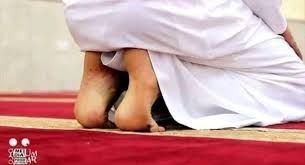
  1. To place ones feet upright [and rest on ones toes] and to place the buttocks on the heels – this manner of sitting is proven between the two prostrations.
  2. To place ones shins upright and place ones buttocks on the ground, like a dog.
  3. To place one’s shins, knees and feet on the ground, and place one’s buttocks between one’s feet and one’s shins on the ground, like a dog’s iq’ā (squatting).

Iq’ā in the second and third manner is not prescribed at all in the prayer. As for the first manner of iq’ā then this is only prescribed in the sitting between prostrations.

(Abridged, Sharh Sifat al-Salāh pg. 274-275)


Some weak hadīth which are used to prohibit iq’ā between the two prostrations and their explanation/reconciliation

1). Narrated by ‘Alī: The prophet (ﷺ) said:

يَا عَلِيُّ أُحِبُّ لَكَ مَا أُحِبُّ لِنَفْسِي وَأَكْرَهُ لَكَ مَا أَكْرَهُ لِنَفْسِي لاَ تُقْعِ بَيْنَ السَّجْدَتَيْنِ

O ‘Alī! I love for you what I love for myself, and I dislike for you what I dislike for myself. Do not sit iq’ā between the two prostrations. (al-Tirmidhī 282, Ibn Mājah 294, 295. Declared da’īf by Al-Albānī in his checking of al-Tirmidhī. Also declared da’īf by Ibn al-‘Arabī in ‘Āridatul-Ahwadhī 2/103.

Al-Nawawī said in Sharh Sahīh Muslim 1/163, regarding Hārith ibn ‘Abdullāh al-A’war al-Hamdānī [one of the narrators in this isnād]: “It is agreed upon that he is weak”.

2). Narrated by Anas: The prophet (ﷺ) said to me:

إِذَا رَفَعْتَ رَأْسَكَ مِنَ السُّجُودِ فَلاَ تُقْعِ كَمَا يُقْعِي الْكَلْبُ ضَعْ أَلْيَتَيْكَ بَيْنَ قَدَمَيْكَ، وَأَلْزِقْ ظَاهِرَ قَدَمَيْكَ بِالأَرْضِ

When you raise your head from prostration, do not squat like a dog. Place your buttocks between your feet and let the tops of your feet touch the ground. (Ibn Mājah 896. Declared Mawdū’ by Al-Albānī in his checking of Ibn Mājah and in al-Da’īfah #2615)

Al-Mubārakfūrī said: “In the isnād is ‘Alā Abū Muhammad, and some of the Imāms have weakened him”. (Tuhfah al-Ahwadhī 4/37)

al-Hararī said: Al-Bukhārī, Al-Uqailī and Ibn ‘Adī said: “He is a fabricator of hadīth.” Abū Hātim said: “He is a fabricator of hadith and his hadīth is abandoned.” ‘Alī ibn Al-Madīnī said: “He used to fabricate hadīth.” Abū Dawūd said: “He is abandoned in hadīth.” Its said in “Al-Taqrīb”: “He is abandoned.” (Sharh ibn Mājah of al-Hararī 6/83)

3). Narrated by Abū Hurayrah:

نَهى عن ثلاثٍ عن نقرةٍ كنقرةِ الدِّيكِ وإقعاءٍ كإقعاءِ الْكلبِ والتفاتٍ كالتفاتِ الثَّعلبِ

The prophet (ﷺ) forbade me from three things: pecking like a rooster, squatting like a dog, and looking around like a fox. (Musnad of Imām Ahmad 8106. Declared da’īf by Al-Arnāūt in his checking (13/468), who said: Its chain of transmission is weak due to the weakness of Sharīk – who is Ibn Abdullāh Al-Nakha’ī – and Yazīd ibn Abū Ziyād – who is the Hāshimī Qurayshī)

Al-Mubārakfūrī said: This hadīth was also collected by al-Bayhaqī [Sunan al-Kubrā #2713] and it is from the narration of Layth ibn Abī Sulaym, and it was also collected by Abū Ya’lā [#6226] and Al-Tabārānī in Al-Awsat [#2575]. (Tuhfah al-Ahwadhī 4/38)

Regarding Layth ibn Abī Sulaym: 

Imām Ahmad said: ” (he is) unstable in hadīth.” Abū Hātim said: “weak in hadīth.” Ibn Ma’īn said: “munkar in hadīth, although he was a person of the sunnah.” Al-Hākim Abū Abdullāh said: “there is agreement on his poor memory.” (See al-Taqrīb pg. 147-148, dār muayyid print. Al-Tahdhīb Al-Tahdhīb 3/484-485)

4). Abī Jawzā narrated from Ā’ishah:

وَكَانَ يَنْهَى عَنْ عُقْبَةِ الشَّيْطَانِ

The prophet (ﷺ) prohibited the devil’s way of squatting. (Sahīh Muslim 498)

Ibn Hajr said in Bulūgh al-Marām #215: and in it there is a defect.

Ibn Mulaqqin said: In this isnād there is a defect. (al-I’lām 3/19)

Al-Albānī said: This isnād appears to be authentic, hence why Muslim and Abū Awānah collected it in their Sahīh, however, (in reality) it is defective. (Irwā 2/21)

Ibn ‘Abdul-Barr said: Abū Jawzā is Aws Ibn ‘Abdullāh al-Rabi’ī, he did not hear from Ā’ishah, and his hadīth from her are Mursal [i.e. interrupted/broken and ends at the Tabi’ī level]. (Al-Tamhīd 13/35)

Al-Bukhari said in the biography of Abū Jawzā: Fī isnādihi nadhar. (Tarīkh al-Kābīr 2/16-17,#1540)

Ibn Hajr said: Al-Bukhārīs saying fī isnādihi nadhar [here] means that he did not hear from the likes of Ibn Masūd, Ā’ishah and others, not that he held him to be weak. (Al-Tahdhīb 1/194)

Al-Albānī said: Al-Hāfidh (Ibn Hajr) explained this isnād as broken in another hadīth that follows (334) and what supports this break (in the chain); in Kitāb al-Salāh of Ja’far al-Faryābī […] Badīl Al-‘Uqailī told us, on the authority of Abū Jawzā, who said: “I sent a messenger to Ā’ishah to ask her… then he mentioned the hadīth.” I say: So the hadīth was attributed to being on the authority of an unknown man who was the intermediary between Abū Jawzā and Ā’ishah, so the weakness of (this) chain of transmission is established. (Abridged, Irwā 2/21)

Al-Nawawī said: {The devil’s way of squatting}, Abū ‘Ubayd and others interpreted as the forbidden iq’ā; which is to place ones buttocks on the ground, place ones shins upright, and to place the hands on the ground, just as dogs and other wild beasts do so. (Sharh Sahīh Muslim 2/532)

Al-Nawawī said: The correct interpretation of the hadīth of Ibn ‘Abbās [“It is the sunnah of your prophet (ﷺ)”] is that one places his buttocks on his heels between the two prostrations. And this is different from the iq’ā that’s been prohibited. (Summarised, sharh Sahīh Muslim 2/579-580)

Al-Albānī said: As for the narrations that prohibit iq’ā’, it is not permissible to adhere to them in order to oppose this Sunnah (for the following) reasons:

First: They are all weak and defective.

Second: If they were authentic, or if what was agreed upon was correct, (then) it refers to the prohibition of iq’ā like the iq’ā of a dog, which is something other than the iq’ā that’s proven.

Thirdly: That they are a possible reference to performing iq’ā in other than it’s legislated place, such as (performing it in) the first and second tashahhud. This is what some ignorant people do, and this is forbidden because it is contrary to the Sunnah. (Summarised, Irwā 2/22)

Is reciting surah al-kahf on Friday recommended

بسم الله الرحمن الرحيم

Summary:

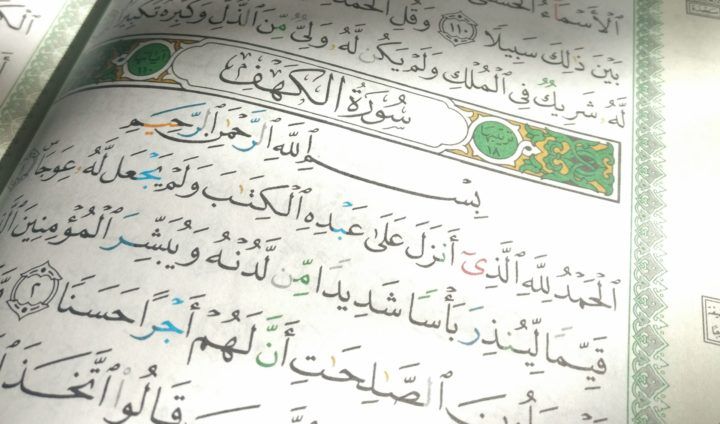
Ibn Qūdamah said: It is recommend to recite Sūrah al-Kahf on Friday. (al-Mughnī 2/313)

Al-Nawawī said: “It is recommended to recite Sūrah al-Kahf on the day (of Friday). Al-Shāfī’i said in the book al-Umm: I recommend reciting it on Friday night [i.e. Thursday night according to the Gregorian calendar]. ” (Kitāb al-Adhkār pg. 226)

Q) What is the ruling on reciting Sūrah Al-Kahf on Friday during the day and night?

A) The recitation of Sūrah Al-Kahf on Friday is a recommended act and there is reward in it and there is no difference between a person reciting it from the Book, or by heart.  (Fatāwā Nūr ‘alā Darb 2/5, Ibn ‘Uthaymīn)


Evidence:

Hadīth 1. The prophet (ﷺ) said:

من قرأ سورةَ ( الكهفِ ) في يومِ الجمعةِ أضاء له من النورِ ما بين الجمُعَتَين

Whoever recites Sūrah Al-Kahf on the day of Friday will be illuminated with a light between the two Fridays (From one Friday to the next).

(Al-Hākim #3432 – who declared it Sahīh. Also declared Sahīh by Al-Albānī in Sahīh Targhīb wa Tarhīb #736 and Sahīh al-Jāmi’ #6470 and Irwā 3/93)

Hadīth 2. Abū Sa’īd al-Khudrī narrated:

مَن قرأَ سورةَ الكَهْفِ [يوم] / ليلةَ الجمعةِ، أضاءَ لَهُ منَ النُّورِ فيما بينَهُ وبينَ البَيتِ العَتيقِ

Whoever recites Sūrah Al-Kahf on the night [other narrations mention the day] of Friday, he will be illuminated with a light between him and the Ancient House (Makkah).

(Al-Dārimī #3434 – declared Sahīh by Al-Arnāūt. Targhīb wa Tarhīb #736, Sahīh al-Jāmi’ #6471 of Al-Albānī)

Irwā 3/94 – declared Sahīh by Al-Albānī and said that this narration takes the ruling of Marfū’ ;raised to the prophet (ﷺ) as it is something that cannot be said by (ones own) opinion.

Al-San’ānī said: “Al-Hāfidh Ibn Hajr said: It comes in a narration: “Day of Friday”, and in other narrations: “Night of Friday”, and the gathering between them means: the day with its night and night with its day.” (Tanwīr Sharh Jāmi’ al-Saghīr 10/351)


Related posts:

1. The actions to be performed on jummu’ah to attain expiration of sins between the two jummu’ahs

2. The meaning and warning of committing laghā on jummu’ah

3. The hour in which dua is answered on jummu’ah

4. Missing jummu’ah leads to sin, kufr and seal of the heart

5. The first jummu’ah

6. Sending salāh and salām upon the prophet on jummu’ah

7. The sunan of jummu’ah

8. Virtues of sūrah al-kahf

Is it possible for us to live on a different planet? Sh. ‘Uthaymīn

بسم الله الرحمن الرحيم

Allāh says:

(فَأَزَلَّهُمَا الشَّيْطَانُ عَنْهَا فَأَخْرَجَهُمَا مِمَّا كَانَا فِيهِ وَقُلْنَا اهْبِطُوا بَعْضُكُمْ لِبَعْضٍ عَدُوٌّ وَلَكُمْ فِي الْأَرْضِ مُسْتَقَرٌّ وَمَتَاعٌ إِلَى حِينٍ) (البقرة: ٣٦)

Then the Shaitān (Satan) made them slip therefrom (the Paradise), and got them out from that in which they were. We said: “Get you down, all, with enmity between yourselves. On earth will be a dwelling place for you and an enjoyment for a time.” (al-Baqarah:36)


The saying of The Most High: {On earth will be a dwelling place for you and an enjoyment for a time} meaning: that you will settle on the earth, and you will enjoy it with the blessings that Allāh has given you, but not forever; rather for a time. And that is (until) the establishment of the Hour.

Benefits [from the verse] :

7. It is not possible for Banī Ādam to live anywhere else except on Earth, as Allāh The Most-High says:

{On earth will be a dwelling place for you and an enjoyment for a time}, and this is (further) supported by the saying of Allāh The Most-High:

{فيها تحيون وفيها تموتون ومنها تخرجون} [الأعراف: ٢٥]

{Therein you shall live, and therein you shall die, and from it you shall be brought out (i.e. resurrected)} (al-A’rāf:25)

Based on that, we know that the attempt of the disbelievers to live on other than Earth, either on some planets, or in some (space) ships, is a desperate attempt because their dwelling must [inevitably] be on the Earth.

(Abridged, Tafsīr of al-‘Uthaymīn 1/77-78)

Adhkar series part 4: Supplications for sadness, grief, distress and adversity

بسم الله الرحمن الرحيم

Allāhumma innī a’ūdhu bika minal-hammi, wal-hazani, wal-‘ajzi, wal-kasali, wal-bukhli, wal-jubni, wa dala’i-ddayn, wa ghalabatir-rijāl

Narrated by Anas that the prophet (ﷺ) would say:

‏ “‏ اللَّهُمَّ إِنِّي أَعُوذُ بِكَ مِنَ الْهَمِّ وَالْحَزَنِ، وَالْعَجْزِ وَالْكَسَلِ، وَالْجُبْنِ وَالْبُخْلِ، وَضَلَعِ الدَّيْنِ، وَغَلَبَةِ الرِّجَالِ ‏”‏‏

“O Allāh! I seek refuge with You from sadness and grief, from incapacity and laziness, from cowardice and miserliness, from the heavy burden of debt and from being overpowered by (other) men.” (Sahīh Bukhārī 6369)


Allāhu Rabbī, lā sharīka lahu

The prophet (ﷺ) said:

من أصابه هم أو غم ، أو سقم ، أو شدَّة ، فقال : الله ربي, لا شريك له ، كُشِفَ ذلك عنه

“Whoever is afflicted with sadness, grief, sickness, or adversity, and says: Allāh is my Lord, He has no partner. Then it will be removed from him.” (Sahīh al-Jāmī’ of Al-Albānī #6040, who declared it Hasan)


Allāhumma innī ‘abduka ibnu ‘abdika ibnu amatik, nāsiyatī biyadik, mādin fī hukmūk, ‘adlun fī qadāuk, asaluka bikulli-smin huwa lak, sammayta-bihi nafsak, aw anzaltahu fī kitābik, aw ‘allamtahu ahadan min khalqik, aw-statharta-bihi fī ‘ilmi-lghayb ‘indik, an taj’ala al-qurān rabī’a qalbī, wa nūra basarī, wa jilā-a huznī, wa dhahāba hammī

The prophet (ﷺ) said:

مَا قَالَ عَبْدٌ قَطُّ ، إِذَا أَصَابَهُ هَمَّ أَوْ حُزْنُ : اللَّهُمَّ إِنِّي عَبْدُكَ ابْنُ عَبْدِكَ ابْنُ أَمَتِكَ ، نَاصِيَتِي بِيَدِكَ ، مَاضٍ فِيَّ حُكْمُكَ ، عَدْلٌ فِيَّ قَضَاؤُكَ ، أَسْأَلُكَ بِكُلِّ اسْمٍ هُوَ لَكَ ، سَمَّيْتَ بِهِ نَفْسَكَ ، أَوْ أَنْزَلْتَهُ فِي كِتَابِكَ ، أَوْ عَلَّمْتَهُ أَحَداً مِنْ خَلْقِكَ ، أَوْ اسْتَأْثَرْتَ بِهِ فِي عِلْمٍ الْغَيْبِ عِنْدَكَ ، أَنْ تَجْعَلَ القُرْآنَ رَبِيعَ قَلْبِي ، وَنُورَ بَصَرِي ، وَجِلَاءَ حُزْنِي ، وَذَهَابَ هَمِّي ، إِلَّا أَذْهَبَ اللَّهُ هَمَّهُ وَأَبْدَلَهُ مَكَانَ حُزْنِهِ فَرَحاً  . قَالُوا : يَا رَسُولَ اللَّهِ يَنْبَغِي لَنَا أَنْ نَتَعَلَّمَ هَذِهِ الْكَلِمَاتِ ؟ قَالَ :  أَجَلْ ، يَنْبَغِي لِمَنْ سَمِعَهُنَّ أَنْ يَتَعَلَّمَهِنَّ

“No servant ever says, when afflicted with sadness or grief:

‘Oh Allāh, I am your servant, the son of your servant, the son of your maidservant. My forelock is in Your hand, Your judgment over me is passed, Your decree upon me is in justice, I ask You by every name that that is Yours, which you have given Yourself, or which You have revealed in Your Book, or which You have taught to any of Your creation, or which You have kept in the knowledge of the unseen with You, that You make the Qur’ān the spring of my heart, the light of my sight, the remover of my grief, and the remover of my sadness.’

except that Allāh removes his sadness and replaces his grief with joy.”

They said: “Oh Messenger of Allāh, should we learn these words?” He (ﷺ) said: “Yes, whoever hears them should learn them.” (Ibn Hibbān #972, 3/253, declared Sahīh by Shu’ayb al-Arnāūt)


Allāhumma lā sahla illā mā ja’altahu sahla, wa anta taj’alul-hazna sahla idhā shi’ta

The prophet (ﷺ) said:

اللَّهُمَّ لَا سَهْلَ إِلَّا مَا جَعَلْتَهُ سَهْلاً ، وَأَنْت تَجْعَلُ الْحَزْنَ سَهْلًا إِذَا شِئْتَ

“Oh Allāh, nothing is easy except that which you make easy, and You can make grief easy if You will.”

(Ibn Hibbān #974, 3/255. Declared Sahīh by Shu’ayb al-Arnāūt)


Allāhumma rahmataka arjū, fa-lā takilnī ilā nafsi tarfata ‘ayn, wa aslih lī sha’nī kullah, lā ilāha illa Ant

The prophet (ﷺ) said:

دَعَوَاتُ الْمَكْرُوبِ اللَّهُمَّ رَحْمَتَكَ أَرْجُو فَلاَ تَكِلْنِي إِلَى نَفْسِي طَرْفَةَ عَيْنٍ وَأَصْلِحْ لِي شَأْنِي كُلَّهُ لاَ إِلَهَ إِلاَّ أَنْتَ

“The duā at the time of distress is: ‘Oh Allāh, Your mercy is what I hope for, so do not entrust me to myself even for the blink of an eye, and rectify for me my condition, all of it. There is none worthy of worship except You.'” (Abū Dawūd 5090. Declared Hasan by Al-Albānī)


Yā Hayyu yā Qayyūm, bi-rahmatika astaghīth

Anas narrated that whenever something would distress the prophet (ﷺ), he would say:

يَا حَىُّ يَا قَيُّومُ بِرَحْمَتِكَ أَسْتَغِيثُ

“Oh Ever-Living, Oh Self-Sustainer! In Your Mercy do I seek relief.” (al-Tirmidhī 3524. Declared Hasan by Al-Albānī)


Lā ilāha ill-Allāhul-Halīmul-Karīm, subhānahu wa tabārakallāhu Rabbul-‘arshil-adhīm, wal-hamdulillāhi Rabbil-‘ālamīn

‘Alī narrated:

“The Messenger of Allāh (ﷺ) gave me these words and commanded me to say them at the time of distress or adversity:

لا إِلَهَ إِلَّا اللهُ الْحَلِيمُ الْكَرِيمُ، سُبْحَانَهُ، وَتَبَارَكَ اللهُ رَبُّ الْعَرْشِ الْعَظِيمِ، وَالْحَمْدُ للهِ رَبِّ الْعَالَمِينَ.

‘There is none worthy of worship except Allāh, The Forbearing, The Generous; He is free from (all types of) imperfection. Blessed is Allāh, The Lord of the great throne, and all praises belong to Allāh, the Lord of all that exists.'” (Sahīh al-Mawārid of Al-Albānī #2371, 2/38, who declared it Hasan Sahīh)


Related posts:

The virtue of dhikr and supplication:

https://fawaaids.com/2023/09/22/a-collection-of-hadith-on-the-virtues-of-al-dhikr-remembrance-of-allah/

Dhikr said after the prayer:

https://fawaaids.com/2020/07/10/the-forms-of-dhikr-after-the-prayer/

https://fawaaids.com/2023/10/25/adhkar-remembrance-said-after-prayer/

Dhikr said morning and evening:

https://fawaaids.com/2023/06/27/authentic-adhkar-series-part-1-morning-evening-dhikr/

Dhikr said before sleep:

https://fawaaids.com/2023/10/30/authentic-adhkar-series-part-3-dhikr-said-before-sleep/

Evidence from the Qur’an on the prohibition of sitting with the people of innovation & sin

بسم الله الرحمن الرحيم

Allāh says:

وَقَدْ نَزَّلَ عَلَيْكُمْ فِى الْكِتَـبِ أَنْ إِذَا سَمِعْتُمْ ءَايَـتِ اللَّهِ يُكَفَرُ بِهَا وَيُسْتَهْزَأُ بِهَا فَلاَ تَقْعُدُواْ مَعَهُمْ حَتَّى يَخُوضُواْ فِى حَدِيثٍ غَيْرِهِ إِنَّكُمْ إِذاً مِّثْلُهُمْ إِنَّ اللَّهَ جَامِعُ الْمُنَـفِقِينَ وَالْكَـفِرِينَ فِى جَهَنَّمَ جَمِيعاً

And it has already been revealed to you in the Book (this Qur’ān) that when you hear the Verses of Allāh being denied and mocked at, then sit not with them, until they engage in a talk other than that; (but if you stayed with them) certainly in that case you would be like them. Surely, Allāh will gather the hypocrites and disbelievers all together in Hell. (Al-Nisā:140)


The tafsīr of Ibn ‘Abbās

Ibn ‘Abbās said: (Those that) are included in this āyah are every innovator in the religion, and every person of innovation until the Day of Judgement (Mawsū al-Tafsīr Al-Ma’thūr 7/187)


The tafsīr of Hasan al-Basrī

Al-Hasan said: It is not permissible to sit with them even if they engage in a different conversation, according to what Allāh said [Al-An’ām:68]:

وَإِمَّا يُنسِيَنَّكَ ٱلشَّيۡطَٰنُ فَلَا تَقۡعُدۡ بَعۡدَ ٱلذِّكۡرَىٰ مَعَ ٱلۡقَوۡمِ ٱلظَّٰلِمِينَ ٦٨

And if Shaitān (Satan) causes you to forget, then after the remembrance sit not you in the company of those people who are the Dhālimūn (polytheists and wrong-doers, etc.). (Mawsū al-Tafsīr Al-Ma’thūr 7/186)


The tafsīr of Ibrāhīm al-Nakha’ī

Abū Wā’il said: Indeed, a man speaks in a gathering with a lying word, he makes those sitting laugh, and Allāh is displeased with them all.

This was mentioned to Ibrāhīm Al-Nakha’ī and he said: Abū Wā’il spoke the truth, isn’t this found in the Book of Allāh:

فَلاَ تَقْعُدُواْ مَعَهُمْ حَتَّى يَخُوضُواْ فِى حَدِيثٍ غَيْرِهِ

then sit not with them, until they engage in a talk other than that (Mawsū al-Tafsīr Al-Ma’thūr 7/187)


The tafsīr of al-Makkī

Al-Makkī said, regarding the verse in al-Nisā:140:

This verse is a proof for avoiding the people of sin if they make apparent their evil, and avoiding the people of falsehood of every kind; from the innovators, the Qadariyyah, and others who engage in fisq (i.e. sin, immorality, disobedience). (Hidāyah Ilā al-Bulūgh al-Nihāyah 2/985)


The tafsīr of al-Tabarī

Commenting on Al-Nisā:140, al-Tabarī says:

This verse clearly shows the prohibition of sitting with people of falsehood of all kinds, including the innovators and immoral/sinful people, when they engage in their falsehood. (Jāmi’ al-Bayān 7/660)


The tafsīr of Ibn ‘Atiyyah

Ibn ‘Atiyyah said:

This verse contains strong evidence on the obligation to avoid the people of innovation and people of sin, and to not sit with them.

It was narrated on the authority of ‘Umar ibn’ Abdul-‘Azīz that he took some people who were drinking khamr (intoxicants), and it was said to him about one of those present: verily he is fasting, so he carried out the punishment upon him and then recited this verse: {In that case you would be like them}. (Muharar al-Wajīz 3/344)


The tafsīr of al-Qurtubī

In that case you would be like them, this shows the obligation to avoid the people of sin who make apparent their evil, because whoever does not avoid them is pleased with their actions, and being pleased with disbelief is disbelief.

Allāh The Mighty and Majestic said: In that case you would be like them. So whoever sits in a gathering of sin and does not rebuke them will be equal to them in sin, and it is necessary to rebuke them if they speak of (what contains) sin or commit sin. If he is not able to rebuke them, then he should get up and leave them so that he will not be among the people (included in) this verse. (Jāmi’ al-Ahkām 3/635)


The tafsīr of Ibn Kathīr

Ibn Kathīr says:

What has already been revealed in the Book — as the Āyah says — is the Āyah in Sūrah al-An’ām:68 which was revealed in Makkah;

﴿وَإِذَا رَأَيْتَ الَّذِينَ يَخُوضُونَ فِى ءَايَـتِنَا فَأَعْرِضْ عَنْهُمْ

And when you see those who engage in false conversation about Our verses (of the Qur’ān) by mocking at them, stay away from them.

The Āyah means, if you still commit this prohibition after it reaches you, and you are satisfied to sit with them in the place where the verses of Allāh are rejected, mocked and disparaged, and you approve of them in that, then you have participated with them in what they are doing.

That is why Allāh said, But if you stayed with them certainly in that case you would be like them, in sin. As comes in the hadīth:

من كان يؤمن بالله واليوم الآخر فلا يجلس على مائدة يدار عليها الخمر

Whoever believes in Allāh and the Last Day should not sit at a table where khamr (intoxicant) is served. (Slightly adapted, ‘Umdatul-Tafsīr 1/588)


The tafsīr of al-Sa’dī

Al Sa’dī says:

Allāh says, when you hear the verses of Allāh being denied and mocked at, meaning, the noble and sacred verses of Allāh are being disparaged.

It is obligatory on every accountable person to believe in Allāh’s noble verses, and respect and revere them. It is for this purpose that Allāh sent them down and for which He has created this entire creation.

The opposite of belief in them is kufr, i.e. to reject them.

The opposite of respecting and revering them is degrading and mocking them.

This mockery and rejection also includes the argumentation by the disbelievers and the hypocrites against the verses of Allāh and their support of disbelief.

Equally, included in this are all types of innovators in the religion. Their argumentation for their falsehood implies mocking/disrespecting the noble verses of Allāh; Allāh’s noble verses attest to nothing but the truth and are a confirmation of the truth and nothing else.

Allāh says, do not sit with them until they engage in a talk other than that, that is, until they stop uttering insulting words and degrading remarks toward Allāh’s verses, certainly in that case, if you continue to sit with them in the state described in this noble verse, you would be like them. This is because you expressed your approval of their mocking and disbelief. Being content with an evil or sin is similar to committing that evil or sin. (Slightly abridged, Tafsīr al-Sa’dī 1/447)


Related:

Sh. Fawzān and Sh. Rabī’ on sitting with the people of sin and innovation:

https://fawaaids.com/2024/02/07/the-one-who-sits-with-the-people-of-evil-innovation-then-its-a-proof-of-his-love-for-them-sh-al-fawzan/

The imaam of the people of hadeeth is the prophet (ﷺ)

بسم الله الرحمن الرحيم


Allāh says:
يَوْمَ نَدْعُواْ كُلَّ أُنَاسٍ بِإِمَـمِهِمْ

And the Day when We shall call together all human beings with their (respective) Imām. (Sūrah Isrā:71)

Ibn Kathīr said: Some of the Salaf said this is the greatest honor for the people of Hadīth, because their Imām is the Prophet (ﷺ). (Mawsū al-Tafsīr Al-Ma’thūr 13/263)

Praying two rak’ah when leaving ones home and upon entering

بسم الله الرحمن الرحيم

The prophet (ﷺ) said:

إذا خرجتَ من منزِلِك فصلِّ ركعتينِ تمنعانِكَ مخرجَ السُّوءِ و إذا دخلْتَ إلى منزِلِك فصلِّ ركعتينِ تمنعانِكَ مدْخلَ السُّوءِ

When you leave your home then pray two rak’ah; to prevent you from an evil exit. And when you enter your home pray two rak’ah; to prevent you from an evil entrance.

(Sahīh al-Jāmi’ of Al-Albānī #505 who declared it Hasan. Also authenticated by al-Haythamī in Majma’ al-Zawāid 2/284; who said “it’s men are trustworthy”. Declared Hasan by Ibn Hajr as said by Al-Manāwī in Kitāb Fayd al-Qadīr 1/334)


Al-Sanānī said:

(When you leave your home) to any place, and it is possible that it is specific to leaving for travel and the like… (to prevent you from an evil exit)… meaning the exit of evil, and the same applies to the entrance, meaning they repel from you what would harm you. (Sharh Jāmi’ al-Saghīr 2/32, abridged)

Muhammad al-Bazmūl said:

It is prescribed for a Muslim to pray two rak’ahs when he enters his house and when he leaves his house. (Bughiat al-Mutatawwi’ Fī Salāt al-Tatawwu’ pg. 92)

Allah does not accept the deeds of an innovator

بسم الله الرحمن الرحيم

Ibn Abī al-‘Āsim said: “Chapter on what was mentioned on the authority of the Prophet (ﷺ): Allāh does not accept the deeds of an innovator

The prophet (ﷺ) said:

إن الله حجز – أو قال : حجب – التوبة عن كل صاحب بدعة

Indeed, Allāh places a barrier – or he said a veil – upon the repentance of every person of innovation.” (Kitab as-Sunnah of Ibn Abī ‘Āsim #37. Declared Sahīh by Al-Albānī)


Al-Hasan al-Basrī and Hishām ibn Hassān said:

صَاحِبُ البِدْعَةٍ لَا يَقبَلُ اللهُ لَهُ صَلَاةٌ، وَلَا صِيَامًا، وَلَا حَجًّا، وَلَا عُمرَةً، وَلَا جِهَادًا، ولا صَدَقَة، ولا عتقا،  وَلَا صَرفًا، وَلَا عَدلًا

From the person of innovation Allāh does not accept the prayer, nor fasting, nor hajj, nor ‘umrah, nor jihād, nor charity, nor emancipation (of slaves), nor turning away (i.e repentance), nor ransom/compensation. (Kitāb al-‘Itisām of Al-Shātibī 1/106, and Sharh Usūl-I’tiqād Ahlul-Sunnah wal-Jamā’ah 1/305 #237, Sahīh)

Al-Hasan al-Basrī said:

لَا يَقبَلُ اللهُ مِن صَاحِبِ البِدْعَةِ شَيئًا

Allāh does not accept anything from the person of innovation. (Sharh Usūl-I’tiqād Ahlul-Sunnah wal-Jamā’ah 1/306 #238, Hasan)

Al-Fudayl ibn ‘Iyād said:

لَا يُرْفَعُ لِصَاحِبِ بِدَعَةٍ إِلَى اللَّهِ عَمَلٌ

No action of the person of innovation is raised to Allāh. (Sharh Usūl-I’tiqād Ahlul-Sunnah wal-Jamā’ah 1/307 #239, Sahīh)

Ayyūb al-Sikhtiyānī said:

ما ازداد صاحب بدعة اجتهادا ، إلا ازداد من الله بعدا

The more a person of innovation strives (in worship), the farther he draws from Allāh. (Kitāb al-‘Itisām of Al-Shātibī 1/106)

Hasan al-Basri: Had the companions seen you they would have said ‘they will have no share in the hereafter’

بسم الله الرحمن الرحيم

Hasan al-Basrī said:

“By Allāh, I have met seventy veterans of al-Badr. Most of their garments were wool. Had you seen them you would have said they are crazy.

And had they seen the best among you, they would have said: “These people will have no share in the hereafter.”

Had they seen the worst among you, they would have said: “These people do not believe in the Day of Recompense.”

I have seen people for whom this world was worth less than the dust under their feet.

I have seen people the like of whom would come home in the evening, not finding more than his own portion of food, and yet say: “I shall not put all of this into my stomach. I shall certainly give some away for Allāhs sake.” Then he would give away some of his food in charity, even though he were more in need of it than it’s recipient. “

(Hilyah al-Awliyāh 2/134)