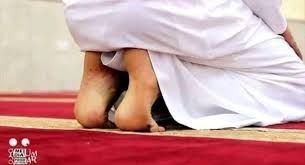
Praying two rak’ah when leaving ones home and upon entering

بسم الله الرحمن الرحيم

The prophet (ﷺ) said:

إذا خرجتَ من منزِلِك فصلِّ ركعتينِ تمنعانِكَ مخرجَ السُّوءِ و إذا دخلْتَ إلى منزِلِك فصلِّ ركعتينِ تمنعانِكَ مدْخلَ السُّوءِ

When you leave your home then pray two rak’ah; to prevent you from an evil exit. And when you enter your home pray two rak’ah; to prevent you from an evil entrance.

(Sahīh al-Jāmi’ of Al-Albānī #505 who declared it Hasan. Also authenticated by al-Haythamī in Majma’ al-Zawāid 2/284; who said “it’s men are trustworthy”. Declared Hasan by Ibn Hajr as said by Al-Manāwī in Kitāb Fayd al-Qadīr 1/334)


Al-Sanānī said:

(When you leave your home) to any place, and it is possible that it is specific to leaving for travel and the like… (to prevent you from an evil exit)… meaning the exit of evil, and the same applies to the entrance, meaning they repel from you what would harm you. (Sharh Jāmi’ al-Saghīr 2/32, abridged)

Muhammad al-Bazmūl said:

It is prescribed for a Muslim to pray two rak’ahs when he enters his house and when he leaves his house. (Bughiat al-Mutatawwi’ Fī Salāt al-Tatawwu’ pg. 92)

Allah does not accept the deeds of an innovator

بسم الله الرحمن الرحيم

Ibn Abī al-‘Āsim said: “Chapter on what was mentioned on the authority of the Prophet (ﷺ): Allāh does not accept the deeds of an innovator

The prophet (ﷺ) said:

إن الله حجز – أو قال : حجب – التوبة عن كل صاحب بدعة

Indeed, Allāh places a barrier – or he said a veil – upon the repentance of every person of innovation.” (Kitab as-Sunnah of Ibn Abī ‘Āsim #37. Declared Sahīh by Al-Albānī)


Al-Hasan al-Basrī and Hishām ibn Hassān said:

صَاحِبُ البِدْعَةٍ لَا يَقبَلُ اللهُ لَهُ صَلَاةٌ، وَلَا صِيَامًا، وَلَا حَجًّا، وَلَا عُمرَةً، وَلَا جِهَادًا، ولا صَدَقَة، ولا عتقا،  وَلَا صَرفًا، وَلَا عَدلًا

From the person of innovation Allāh does not accept the prayer, nor fasting, nor hajj, nor ‘umrah, nor jihād, nor charity, nor emancipation (of slaves), nor turning away (i.e repentance), nor ransom/compensation. (Kitāb al-‘Itisām of Al-Shātibī 1/106, and Sharh Usūl-I’tiqād Ahlul-Sunnah wal-Jamā’ah 1/305 #237, Sahīh)

Al-Hasan al-Basrī said:

لَا يَقبَلُ اللهُ مِن صَاحِبِ البِدْعَةِ شَيئًا

Allāh does not accept anything from the person of innovation. (Sharh Usūl-I’tiqād Ahlul-Sunnah wal-Jamā’ah 1/306 #238, Hasan)

Al-Fudayl ibn ‘Iyād said:

لَا يُرْفَعُ لِصَاحِبِ بِدَعَةٍ إِلَى اللَّهِ عَمَلٌ

No action of the person of innovation is raised to Allāh. (Sharh Usūl-I’tiqād Ahlul-Sunnah wal-Jamā’ah 1/307 #239, Sahīh)

Ayyūb al-Sikhtiyānī said:

ما ازداد صاحب بدعة اجتهادا ، إلا ازداد من الله بعدا

The more a person of innovation strives (in worship), the farther he draws from Allāh. (Kitāb al-‘Itisām of Al-Shātibī 1/106)

Hasan al-Basri: Had the companions seen you they would have said ‘they will have no share in the hereafter’

بسم الله الرحمن الرحيم

Hasan al-Basrī said:

“By Allāh, I have met seventy veterans of al-Badr. Most of their garments were wool. Had you seen them you would have said they are crazy.

And had they seen the best among you, they would have said: “These people will have no share in the hereafter.”

Had they seen the worst among you, they would have said: “These people do not believe in the Day of Recompense.”

I have seen people for whom this world was worth less than the dust under their feet.

I have seen people the like of whom would come home in the evening, not finding more than his own portion of food, and yet say: “I shall not put all of this into my stomach. I shall certainly give some away for Allāhs sake.” Then he would give away some of his food in charity, even though he were more in need of it than it’s recipient. “

(Hilyah al-Awliyāh 2/134)

Weak hadith: To fast a day after Ashurah

بسم الله الرحمن الرحيم

Shaykh ‘Abdul-Muhsin Al-‘Abbād was asked:

Is it correct that the best way to fast on ‘Āshūrah is for a person to fast the day before it and the day after it?


He replied by saying:

“Some scholars (have) said this, but we do not know anything that supports this.” (Sharh Sunan Abī Dawūd 23/468)

Shaykh al-Albānī said:

“… Fasting on ‘Āshūrah, in addition to the 9th, is not obligatory, but rather something recommended.  But this recommendation has two levels: the first, which is the highest, is to fast on ‘Āshūrah and the 9th before it.  The second level, which is the lowest level, is to fast ‘Āshūrah alone.” (Silsilah al-Hudā wa al-Nūr #337)


Fasting the day of ‘Āshūrah:

https://fawaaids.com/2020/08/21/the-virtues-of-fasting-the-day-of-ashura-10th-of-muharram/


Evidence for fasting the 9th along with the 10th

Ibn ‘Abbās reported that when the Messenger of Allāh (ﷺ) fasted on the day of ‘Āshūrah and commanded that it should be observed as a fast, they (his Companions) said to him: “Oh Messenger of Allāh, it is a day which the Jews and Christians hold in high esteem.” Thereupon the Messenger of Allāh (ﷺ) said:

When the next year comes, Allāh willing, we will observe fast on the 9th.” But the Messenger of Allāh (ﷺ) died before the advent of the next year. (Sahīh Muslim 1134)

Ibn ‘Abbās that he said: “Fast the 9th and the 10th, and differ from the Jews.” (al-Bayhaqī Sunan al-Kubrā #8404, Musannaf of ‘Abdul-Razzāq #7981, Jāmi’ At-Tirmidhī 755. Declared Sahīh by Al-Albānī. Also declared Sahīh by Al-Arnāūt in al-Musnad 4/53)


Evidence to fast the 11th

Narrated by Hushaym: Ibn Abī Laylah narrated from Dawūd ibn ‘Alī, from his father, that his grandfather Ibn ‘Abbās said: The Messenger of Allāh (ﷺ) said:

Fast the day of ‘Āshūrah but be different from the Jews; fast one day before it or one day after it.

(Musnad of Imām Ahmad #2154. Ibn Khuzaymah #2095. Sunan al-Kubrā of al-Bayhaqī #8406)

Al-Arnāūt said in his checking of al-Musnad: “Its chain of transmission is weak. Ibn Abī Laylah – whose name is Muhammad ibn ‘Abdul-Rahmān – has poor memory.

And Dawūd ibn ‘Alī –  ibn Abdullāh ibn Abbās Al-Hāshimī – a group of people narrated from him, and Ibn Hibbān mentioned him in al-thiqāt, he said: “He makes mistakes”, and Imām Al-Dhahabī said: “His hadith is not (used as a) proof. [Al-Mīzān 2/14]”. (Musnad of Imām Ahmad, checking by Shu’ayb Al-Arnāūt 4/52 #2154)

Al-Albānī said: “Its chain of transmission is weak, because of the poor memory of Ibn Abī Laylah, and it was contradicted by a mawqūf report narrated by ‘Atā’ and others from Ibn ‘Abbās, the chain of transmission of which is sahīh according to at-Tahawī and al-Bayhaqī.” (Sahīh ibn Khuzaymah 2/1006)

Ibn Hajr said regarding Ibn Abī Laylah: “Trustworthy, (but has a) very poor memory”. (Taqrīb 192-193)

Ahmad narrated: “Yahyā ibn Sa’īd (held him) to be weak.” (Tahdhīb 3/627)

Ahmad said: “Unstable in hadīth.” (Al-Mīzān 4/175)

Abū Dawūd Al-Tayālisī said: on the authority of Shu’bah: “I did not see anyone worse in memory than Ibn Abī Laylah.” (Tahdhīb 3/627, Al-Mīzān 3/175)

Al-Nasāī said: “He is not strong.” (Tahdhīb 3/628, Al-Mīzān 3/175)


Who is the victorious group and the saved sect

بسم الله الرحمن الرحيم

The prophet (ﷺ) said:

وَإِنَّ أُمَّتِي سَتَفْتَرِقُ عَلَى ثِنْتَيْنِ وَسَبْعِينَ فِرْقَةً كُلُّهَا فِي النَّارِ إِلاَّ وَاحِدَةً وَهِيَ الْجَمَاعَةُ

“… and my nation will split into seventy-two sects, all of which will be in Hell apart from one, which is the Jamā’ah.” (Ibn Mājah 3993. Declared Sahīh by al-‘Irāqī, Ibn Kathīr, al-Albānī)

The prophet (ﷺ) said:

لاَ يَزَالُ طَائِفَةٌ مِنْ أُمَّتِي عَلَى الْحَقِّ مَنْصُورِينَ لاَ يَضُرُّهُمْ مَنْ خَالَفَهُمْ حَتَّى يَأْتِيَ أَمْرُ اللَّهِ عَزَّ وَجَلَّ

There will not cease to be a group amongst my Ummah who will be upon the truth and prevail, and those who oppose them will not be able to harm them, until the command of Allāh comes to pass.” (Sahīh Muslim 1921, Ibn Mājah 10 and others)


Imām Ahmad said:

“If the aided group is not the People of Hadīth, then I have no idea who it is.” (Ma’rifah ‘Ulūm al-Hadīth pg. 2)

Shaykh al-Albānī said:

“Some people may find it hard to accept the explanation of those scholars that the Victorious Group and the Saved Sect, are the People of Hadīth, but that is not strange if we remember what follows:

That the People of Hadīth are, due to their specilisation in studying the Sunnah and what is connected to it, likewise the knowledge of the biographies of the narrators and the defects in the narrations and also the knowledge of the different routes of narration, most definitely, they are the most knowledgeable of the people about the Prophet (ﷺ) and his guidance, manners, battles, and everything else connected to him.”

(The creed of the pious predecessors, the people of hadīth, introduction pg. 5)

The arrogant will be punished in hellfire in a prison called Boolas

بسم الله الرحمن الرحيم

What is arrogance?

The prophet (ﷺ) said:

الكبر بَطَر الحق، وغَمط الناس

Kibr (arrogance) is rejection of the truth and to look down upon the people. (Umdatul-Tafsīr 1/121)

The punishment for arrogance

The prophet (ﷺ) said:

يُحْشَرُ الْمُتَكَبِّرُونَ يَوْمَ الْقِيَامَةِ أَمْثَالَ الذَّرِّ، فِي صُوَرِ النَّاسِ، يَعْلُوهُمْ كُلُّ شَيْءٍ مِنَ الصَّغَارِ، حَتَّى يَدْخُلُوا سِجْنَا فِي جَهَنَّمَ، يُقَالُ لَهُ : بُولَسُ فَتَعْلُوَهُمْ نَارُ الْأَنْيَارِ، يُسْقَوْنَ مِنْ طِينَةِ الْخَبَالِ، عُصَارَةِ أَهْلِ النَّارِ

The Mutakabbirūn (arrogant ones) will be gathered on the Day of Resurrection like specks in the appearance of people, everything will be larger than them (on the basis) of humiliation (that Allāh will place upon them); until they enter a prison in Hell, which is called Būlas, where the most intense of the fire will overwhelm them, and they will be given drink of the tīnati-l-khabāl, the puss of the people of Hell. (Musnad Imām Ahmad #6677. Declared Sahīh by Ahmad Shākir in ‘Umdatul-Tafsīr 1/136)

The debate between Al-Awza’i and Al-Thawri on rasing the hands in ruku

بسم الله الرحمن الرحيم

(Imām) Al-Awzā’ī and (Imām) Al-Thawri debated in Al-Khaif Mosque on the issue of raising the hands when bowing and rising from bowing, so Al-Awzā’ī used as evidence what he narrated on the authority of Al-Zuhrī, on the authority of Sālim, on the authority of his father, that the Messenger of Allāh (ﷺ) would raise his hands when bowing and rising from bowing.

And Al-Thawrī argued for not raising the hands with the hadīth of Yazīd ibn Abī Ziyād, so Al-Awzā’ī got angry and said: ‘Does one contend with the hadith of Al-Zuhrī using the hadith of Yazīd ibn Abī Ziyād; who is da’īf (a weak individual)?!’

Al-Thawrī’s face turned red, and Al-Awzā’ī said: ‘Perhaps you disliked what I said?’   He said: ‘Yes.’   He said: ‘So let us go to the corner (i.e. Ka’bah) and invoke the curse as to which of us is upon the truth.’   Al-Thawrī then remained silent.

(Bidāyah al-Nihāyah of Ibn Kathīr 13/444)

Are the hadiths regarding not raising the hands in ruku authentic?

بسم الله الرحمن الرحيم

Part 1: Evidence of raising the hands when making Rukū and rising from it: https://fawaaids.com/2023/12/20/raising-the-hands-when-bowing-ruku-and-rising-from-bowing/

Ibn ‘Abd al-Barr said: “The proof of the one who sees the raising (of the hands) at every bowing and rising from it, is the hadīth of Ibn ‘Umar mentioned in this chapter, and it is an established hadīth that is not disputed by any of the scholars of hadīth.

And it has been narrated on the authority of the Prophet (ﷺ) – as it was narrated by Ibn ‘Umar (i.e. of raising the hands) – by thirteen men from the Companions of the prophet (ﷺ). A group of compilers and scholars of hadīth have mentioned them. Among them: Abū Dawūd, Ahmad ibn Shu’ayb, Al-Bukhārī, Muslim, and others.” (Tamhīd 6/347-348)

Ibn al-‘Arabī said: “It was narrated from the Prophet (ﷺ) regarding the raising of the hands in rukū’, and in raising the head from it by fifteen companions. From them Ibn ‘Umar…” (‘Āridatul-Ahwadhī 2/73)


Part 2: weak narrations used in favour of not raising the hands.

Hadīth 1.

‘Uthmān ibn Abī Shaybah > Waki’ >  Sufyān > ‘Āsim ibn Kulayb > ‘Abd al-Rahmān ibn al-Aswad > on the authority of Alqamah:

قَالَ عَبْدُ اللَّهِ بْنُ مَسْعُودٍ أَلاَ أُصَلِّي بِكُمْ صَلاَةَ رَسُولِ اللَّهِ صلى الله عليه وسلم قَالَ فَصَلَّى فَلَمْ يَرْفَعْ يَدَيْهِ إِلاَّ مَرَّةً

Abdullāh ibn Mas’ūd said: Should I not pray for you the way the Messenger of Allāh (ﷺ) prayed? He said, so he prayed, raising his hands only once (i.e. at the beginning of the prayer).

(Abū Dawūd 748, who said “it is not authentic”)

  • Al-Ādhīm Abādī said: “The Hanafīs argued that it is not recommended to raise the hands in other than the opening takbīr in accordance with this narration, however it is not correct (to be used) as an argument; because (the narration) is weak and not established.

    Al-Hāfidh Ibn Hajr said in “Al-Talkhīs” [hadīth #1120]: Ibn Al-Mubarāk said, “It is not established with me”. Ibn Abī Hātim said on the authority of his father that he said: “This hadīth is a mistake”. Ahmad ibn Hanbal and his Shaykh Yahyā ibn Ādam said: “It is weak”. Al-Bukhārī quoted that from them and followed them on that (verdict). Abū Dawūd said: “It is not authentic”. Al-Darāqutnī said: “It is not established”. Ibn Hibbān said in “Al-Salāh”: “This is the best report narrated by the people of Kūfah in denying raising the hands in prayer when bowing and when rising from it, (however) in reality, it is the weakest thing to rely on (as evidence) because it has defects that invalidate it. The imāms were all critical of the path of Āsim ibn Kulayb firstly [1]. As for the path of Muhammad ibn Jābir, Ibn al-Jawzī mentioned it in al-Mawdū’āt, and Ahmad said: “Muhammad ibn Jābir is nothing, and no one narrates from him except those who are worse than him.”

    Al-Bukhārī said in “Juz Raf al-Yadayn” Ahmad ibn Hanbal said, on the authority of Yahyā ibn Ādam: “I saw the hadīth of ‘Abdullāh ibn Idrīs from Āsim ibn Kulayb, and there was not in it, “then he did not repeat that“, and this is more authentic as the book is more preserved according to the people knowledge, because a man narrates something, then he consults the book and it is as it is in the book. (Awn al-Ma’būd 2/191-192).
  • [1] ‘Āsim ibn Kulayb. Some declared him trustworthy, and others criticised him for various reasons. Al-Uqailī mentioned him in Al-Du’afā 3/334 and he accused him of Irjā‘. Al-Bazzār said in Al-Musnad 46/5: “Āsim is unstable/inconsistent in what he narrates, particularly in the hadīth of raising (the hands)”. Al-Dhahabi mentioned in Al-Mīzān 356/2, and Ibn Hajr in Al-Tahdhīb 5/49 on the authority of Ibn Al-Madinī, that he said: “He is not used as evidence if his narrations are alone”, and the hadīth here (of raising the hands) is one of them, especially this wording: “then he did not repeat that”, so Al-Dāraqutnī said in Al-Ilal 5/172: “It contains a wording that is not preserved…” (Taken from the footnotes of al-Tamhīd, al-Furqān print 6/352)

Hadīth 2.

Muhammad ibn al-Sabbāh al-Bazzār > Sharīk > Yazīd ibn Abī Ziyād > on the authority of Abd al-Rahmān ibn Abī Lailah:

عَنِ الْبَرَاءِ، أَنَّ رَسُولَ اللَّهِ صلى الله عليه وسلم كَانَ إِذَا افْتَتَحَ الصَّلاَةَ رَفَعَ يَدَيْهِ إِلَى قَرِيبٍ مِنْ أُذُنَيْهِ ثُمَّ لاَ يَعُودُ

Al-Barā’ narrated:

When the Messenger of Allāh (ﷺ) began prayer, he raised his hands up to his ears, then he did not repeat that. (Abū Dawūd 750)

  • Al-Ādhīm Abādī said: Al-Hāfidh (Ibn Hajr) said in Al-Talkhīs, “it is from the narration of Yazīd ibn Abī Ziyād on the authority of ‘Abd al-Rahmān ibn Abī Lailah. The scholars agreed that his saying “he did not repeat that” is mudraj (addition by one of the narrators and not a wording from the prophet (ﷺ)) – as a saying by Yazīd ibn Abī Ziyād, and it was narrated on his authority without (this additional wording) by Shu’bah and Al-Thawrī and Khalīd Al-Tahān, Zuhīr, and other hadīth memorisers.

    Al-Humaydī said: “Indeed this addition was narrated by Yazīd, Yazīd added to it”. ‘Uthmān al-Dārimī said on the authority of Ahmad ibn Hanbal: “it is not authentic”, and likewise it was deemed weak by al-Bukhārī, Ahmad, Yahyā, al-Dārimī, al-Humaydī and more than one person.

    Al-Bazzār said: His statement in this hadīth is not correct; “he did not repeat that“.  (Abridged, Awn al-Ma’būd 2/194. See also Talkhīs of Ibn Hajr 2/624-625)
  • Al-Bayhaqī said:I heard Al-Hākim Abū Abdullāh say: “Yazīd ibn Abī Ziyād was known for his memorisation, but when he grew old his memorisation became poor, so he used to alter the chains of transmission and add to the texts.” (Sunan al-Dāraqutnī, Muassassah ar-Risālah print, 2/50, #1129)
  • Al-Dāraqutnī reported this hadīth via the route of ‘Alī ibn ‘Āsim, on the authority of Muhammad ibn Abdul Rahmān ibn Abī Laylah, on the authority of Yazīd ibn Abī Ziyād. ‘Alī ibn ‘Āsim said: “I came to Kūfah and met Yazīd ibn Abī Ziyād, and he narrated to me (this hadīth) and did not mention: “then he did not repeat that”. So I said to him: Ibn Abī Laylah narrates this hadīth from you and in it is: “then he did not repeat that”. He said: “I have not preserved this.” (Sunan al-Dāraqutnī 2/52, #1132. See also talkhīs of Ibn Hajr 2/626)
  • Ibn Abd al-Barr said: Sa’īd ibn ‘Uthmān said: I heard Muhammad ibn Waddāh say: “The hadīths that are narrated on the authority of the Prophet (ﷺ) regarding raising the hands in (the beginning of the) prayer, and then not repeating that, are all weak.” (al-Tamhīd 6/356)

What about the scholars that authenticated Ibn Mas’ūds narration?

Answer 1) As for Al-Tirmidhī, he considered (the narration) as authentic. Ahmad Shākir said in Sunan Al-Tirmidhī (41/2): “It is a Sahīh hadīth.” And he said in the checking of “Al-Muhallā” (120/4): “It is a sahīh hadīth, and the hadīths which establish the raising of the hands are more authentic than it, in fact they reach the level of mutawātir. And Ibn Mas’ūd denied raising the hands, and many of the Companions affirmed (the raising of the hands), and that which is affirmed takes precedence over that which is denied. Rather, Ibn Mas’ūd may have related (that which describes) the initial (description of the) prayer (i.e. at the beginning of Islām), just as he related the description of rukū’ which was (later) abrogated”. [this is referring to the placing of the hands in between the knees when making Rukū’, and this is how it was at the beginning of Islām but then it was abrogated and they were commanded with placing the hands on the knees]. (Taken from Awn al-Ma’būd 1/190, Egyptian print)

Answer 2) Al-Mubārakfūrī said [after explaining why the hadīth of ibn Mas’ūd is not authentic]:

“So with all of this it is established that the hadīth of ibn Mas’ūd is not neither Sahīh or Hasan, rather it is da’īf and the likes of it is not used as proof.

As for the declaring of it to be hasan by al-Tirmidhī then that is not to be relied upon due to his leniency in his verdicts (of authenticity).

As for Ibn Hazm declaring it sahīh, then what is obvious is that his authentication is by way of the sanad (chain of narration), and it is known that the authenticity of the sanad does not necessitate the authenticity of the matn (text). The authentication of ibn Hazm is (also) not to be depended upon in the light of it being declared da’īf by these precise hadīth Masters. So depending upon this weak ḥadīth for leaving the raising of hands and it’s abrogation except when starting (the prayer) is not correct.

And if we concede and accept that the hadīth of ibn Mas’ūd is sahīh or hasan, then what is obvious is that ibn Mas’ūd forgot about it, as he forgot about many matters.

Al-Hāfidh az-Zayla’ī said in ‘Nasb ar-Rāyah’ (1/397) quoting from the author of ‘at-Tanqīh’ that, “there is nothing strange in the forgetting of ibn Mas’ūd, for ibn Mas’ūd forgot from the Qurʾān that which the Muslims afterwards did not disagree upon – the mu’awwadhatān (i.e. including them in the Mushaf). He forgot about that which the scholars have agreed as regards to it’s abrogation, like placing hands together (between the knees in rukū’), and how two people stand behind the Imām. He forgot about that which the scholars do not differ about that the Prophet (ﷺ) prayed the subh (morning) prayer at it’s time on the Day of al-Nahr, and he forgot how the Prophet (ﷺ) combined (prayers) on ‘Arafah. He forgot about that which the scholars do not differ about with regards to placing the elbow and the forearm on the floor, and he forgot how the Prophet (ﷺ) used to recite, ‘wa mā khalaqadh-dhakara wa-l unthā’ (Sūrah al-Layl:3). So if it is possible that ibn Mas’ūd forgets the likes of these in prayer, then how is it not possible that he forgets the raising of the hands?”

And if we accept that ibn Mas’ūd did not forget this, then the ahadīth of raising the hands in the three places takes precedence over the hadīth of ibn Mas’ūd, because it has been narrated by such a large number of Companions to the extent that as-Suyūtī said: ‘the ḥadīth of raising hands (at rukū’) are mutawātir from the Prophet (ﷺ)’ as you have come to know in what has preceded.

al-Aynī said in ‘Sharh al-Bukhārī’, “the conclusion of this topic of choosing the stronger opinion is that it is upon the number of narrations and the fame of the narrators even if one of two narrations is narrated from one route, and the other by two routes, then the one narrated by two takes precedence in acting upon.”

And al-Hāfidh al-Hāzimī said in ‘Kitābul I’tibār’ (1/9), “and from what makes one hadīth weightier than another, is the number of narrations of one of them, and this is influential in the section of narrations because it brings one closer to what requires knowledge which is frequency.”

Furthermore, the hadīth of ibn Mas’ūd does not lend evidence to the abrogation of raising hands except at the beginning (of the prayer). Rather it lends evidence to it not being obligatory. Ibn Hazm said in his discussion of the hadīth of Barā ibn Āzib mentioned previously, “if it is authentic, it is evidence that he (ﷺ) did that (i.e. leave the raising of the hands at rukū’) to explain it’s permissibility, so there is no contraḍīction between it and the hadīth of ibn ʿUmar and others.”

I say: and all of this is according to the limits of concession, and if not then the hadīth of ibn Mas’ūd is da’īf and is not to be used as proof as you have come to know. (Tuhfatul-Ahwadhī 3/417-418)


NOTE: there are also other narrations that are used to ‘support’ not raising the hands, such as narrations from ‘Umar, ‘Alī and others but these narrations are not established. See Juz raf al-yadayn of Al-Bukhārī, tuhfat al-ahwadhī of al-Mubārakfūrī.

Who preceded Al-Albānī regarding fasting on Saturdays

بسم الله الرحمن الرحيم

As-Samma’, the sister of Abdullāh ibn Busr narrated:

The Prophet (ﷺ) said: ‘Do not fast on Saturday except what has been made obligatory on you; and if one of you can get nothing but a grape skin or a piece of wood from a tree, he should chew it.’ (Sunan Abī Dawūd 2421 and others. Declared Sahīh upon the conditions of Al-Bukhārī by al-Hākim (in al-Mustadrak 2/343) and Al-Albānī (Irwā 4/118). Also authenticated by Ibn Taymiyyah in Sharh al-‘Umdah, Ibn Qudāmah in al-Kāfī, Ibn Hajr in Hidāyah Rawāh, and Al-Arnāūt in Sharh as-Sunnah 3/465)

Al-Tahāwī says: “A group of people (of knowledge) inclined to this hadīth and disliked the voluntary fast on Saturday.”

Al-‘Aynī said in explanation: “The isnād is Sahīh [he then explains the men of the isnād]…

A group of people, meaning Mujāhid [student of Ibn’ Abbās], Tawūs ibn Kaysān, Ibrāhīm (al-Nakhaī), Khālid ibn Ma’dān.”

(Sharh Ma’ānī al-Āthār of Imām al-Tahāwī, Book of Fasting, pg. 433)


A summary of the points made by Shaykh Al-Albānī regarding the fasting on Saturday:

  • the Hadīth of Juwayrīyah (“…did you fast a day before it…will you fast a day after it, she said no…”) permits the fasting of Saturday, and the other Hadīth prohibits it, so the prohibition takes precedence over the permit.
  • The fasting on Saturday is not permitted except for an obligation as was stated [by the Messenger  (ﷺ) : except what has been made obligatory on you] , there is no difference between fasting it on its own and combining a day before it or a day after it with it.
  • As for those who permit the fasting on Saturday and state that the statement; “…except what has been made obligatory on you..” that this is only when it is singled out, what are they using as evidence here, a principle, a text? (Rather) this text prohibits all types of fasting [on Saturday] except those that have been obligated.
  • [TN: this is similar to what Ibn al-Qayyim said that the prohibition here includes all types of fast, whether done alone or coupled with another day. The exception is only the obligatory fast, otherwise if the prohibition was fasting the day alone the Prophet (ﷺ) would have said “do not fast on Saturday unless you fast the day before it or after it”, as he (ﷺ) said regarding the fasting of Friday. (Sharh Sunan Abū Dawūd 4/666)]
  • The narrator of the Hadīth said: Whoever fasts on Saturday has neither fasted nor has he eaten.

(Summarised from https://subulassalaam.com/articles/article.cfm?article_id=92#1)

The virtues of the day of ‘Arafah: Part 2

بسم الله الرحمن الرحيم

A day of Īd

Ibn Abbās recited: ‘This day, I have perfected your religion for you, completed My favor upon you, and have chosen for you Islam as your religion‘ (5:3). And a Jew was with him who said: ‘If this verse was revealed to us then we would have taken that day as a day of celebration.’ So Ibn ‘Abbās said: ‘Indeed it was revealed on two ‘Īds: On Friday, and on the Day of ‘Arafah.’ (Al-Tirmidhī 3044. Mishkāt 1368, declared Sahīh by Al-Albānī)

The prophet (ﷺ) said:

إنَّ يومَ عرفةَ ويومَ النَّحرِ وأيَّامَ التَّشريقِ عيدُنا أَهْلَ الإسلامِ ، وَهيَ أيَّامُ أَكْلٍ وشربٍ

The day of ‘Arafah and the day of sacrifice and the day of At-Tashrīq are our ‘Īd, the people of Islām, and they are days of eating and drinking. (Al-Nasāī 3004. Declared Sahīh by Al-Albānī and Al-Arnāūt)


The standing at ‘Arafah is from the greatest pillar of Hajj rites

Ibn Rajab said: If a Muslim completes their Hajj, they will be forgiven. And indeed, Hajj is completed on the Day of ‘Arafah, and standing at ‘Arafah is the greatest pillar of Hajj, as the prophet (ﷺ) said:

الْحَجُّ عَرَفَةَ

The Hajj is ‘Arafah. (Musnad of Imām Ahmad 335, al-Tirmidhī 2975, Mishkāt 2714. Declared Sahīh by Al-Albānī, Ibn Khuzaymah, Al-Arnāūt and others)

(Latāif al-Ma’ārif pg. 371)


A day of being freed from the hellfire

The prophet (ﷺ) said:

ما مِن يومٍ أكثر مِن أنْ يُعْتِقَ اللهُ فيه عبدًا مِن النارِ، مِن يومِ عرفة

There is no day on which Allāh sets free more of His slaves from Fire than the Day of ‘Arafah. (Sahīh Muslim 1348)

Ibn Rajab said: Allāh frees from the Fire those who stand at ‘Arafah and those who do not stand there, from among the Muslims across the different regions. (Latāif al-Ma’ārif pg. 372)


It is a day by which Allāh swore an oath

The prophet (ﷺ) said regarding Allāhs verse:

وَشَاهِدٍ وَمَشْهُودٍ

“By the witnessing day [Friday] and by the witnessed day [the Day of ‘Arafah].” [Sūrah al-Burūj 85:3]

الْيَوْمُ الْمَوْعُودُ يَوْمُ الْقِيَامَةِ وَالْيَوْمُ الْمَشْهُودُ يَوْمُ عَرَفَةَ وَالشَّاهِدُ يَوْمُ الْجُمُعَةِ

Al-Yawmul-Maw’ūd (the Promised Day) is the Day of Resurrection, and Al-Yawmul-Mashhūd (the Witnessed Day) is the Day of ‘Arafah, and Ash-Shāhid (the Witness) is Friday. (Al-Tirmidhī 3339. Declared Hasan by Al-Albānī)


It is the best of days

The prophet (ﷺ) said:

وَمَا مِنْ يَوْمِ أفضلُ عِنْدَ اللَّهِ مَنْ يَومٍ عَرَفَةَ

No day is better to Allāh than the day of ‘Arafah. (Ibn Hibbān 3853. Declared Sahīh by Shu’ayb al-Arnāūt)


A day of attaining Allāhs forgiveness

The prophet (ﷺ) said:

إذا كان يوم عرفة إن الله ينزل إلى السماء الدنيا ،فيباهي بهم الملائكة فيقول : انظروا إلى عبادي أتوني شعثا غبراً ضاحين من كل فج عميق ، أشهدكم أني قد غفرت لهم ، فتقول الملائكة : يا رب ، فلان كان يرهق . ( أي : يغشى المحارم ، ويرتكب المفاسد ) ، وفلان وفلانة ؟ ! قال :يقول الله عز وجل : لقد غفرت لهم ، قال : قال رسول الله ﷺ : فما من يوم أكثر عتيق من النار من يوم عرفة

When it’s the Day of ‘Arafah, Allāh descends to the lowest heaven. Then he boasts about them [the people at ‘Arafah] to the angels and says: ‘Look at my servants who came to me dishevelled and dusty, from every deep valley. I bear witness that I have forgiven them.’ Then the angels say: ‘O Lord, so-and-so is al-haraq (meaning: one who is covered in sin, and commits corruption), so-and-so and so-and-so?!’

Allāh says: ‘I have forgiven them.’

The Messenger of Allāh said: ‘There is no day on which Allāh sets free more of His slaves from Fire than the Day of ‘Arafah.’

(Ibn Hibbān 3853, checking by Shu’ayb Al-Arnāūt, Ibn Khuzaymah 2840)